A Successful World Heritage Year 2025 and Festive Greetings
Dear Friends of the World Heritage,
As the year draws to a close, we look back with pride on an eventful year 2025.
On behalf of the World Heritage Management, we wish you and your families a joyful and peaceful Christmas, restful holidays, and an inspiring start to the New Year 2026.
A Successful World Heritage Year 2025 and Festive Greetings
Dear Friends of the World Heritage,
As the year draws to a close, we look back with pride on an eventful year 2025.
On behalf of the World Heritage Management, we wish you and your families a joyful and peaceful Christmas, restful holidays, and an inspiring start to the New Year 2026.
The broad support and commitment to preserving and further developing our unique cultural landscape have once again been invaluable this year. We would like to thank the municipalities of the Inner Salzkammergut, the Cultural Department of the Province of Upper Austria, as well as the BMWKMS for their support—and, of course, especially our project partners (see below).
In 2025, we achieved a great deal for the heritage of the Salzkammergut:
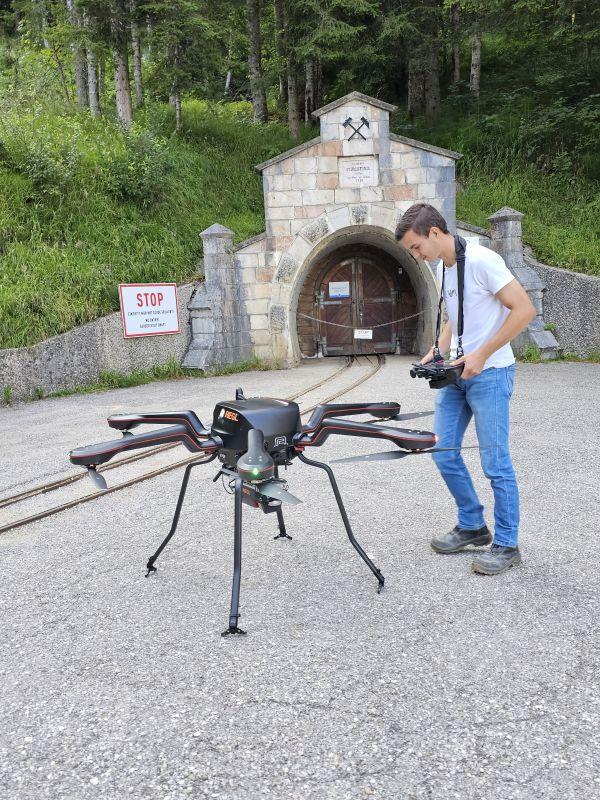
To advance documentation efforts, we entered into research cooperations with the Federal Monuments Office, the ACDH of the Austrian Academy of Sciences (ÖAW), and RIEGL, making it possible for the first time to digitally record our unique cultural landscape in detail and in three dimensions. The results will be presented in April 2026.
The research cooperation with TU Wien has entered its third year, and together with RIEGL, a digital model of the Seeklause and of Hallstatt, among other things, was created. This supports municipalities in planning tasks and building investigations.
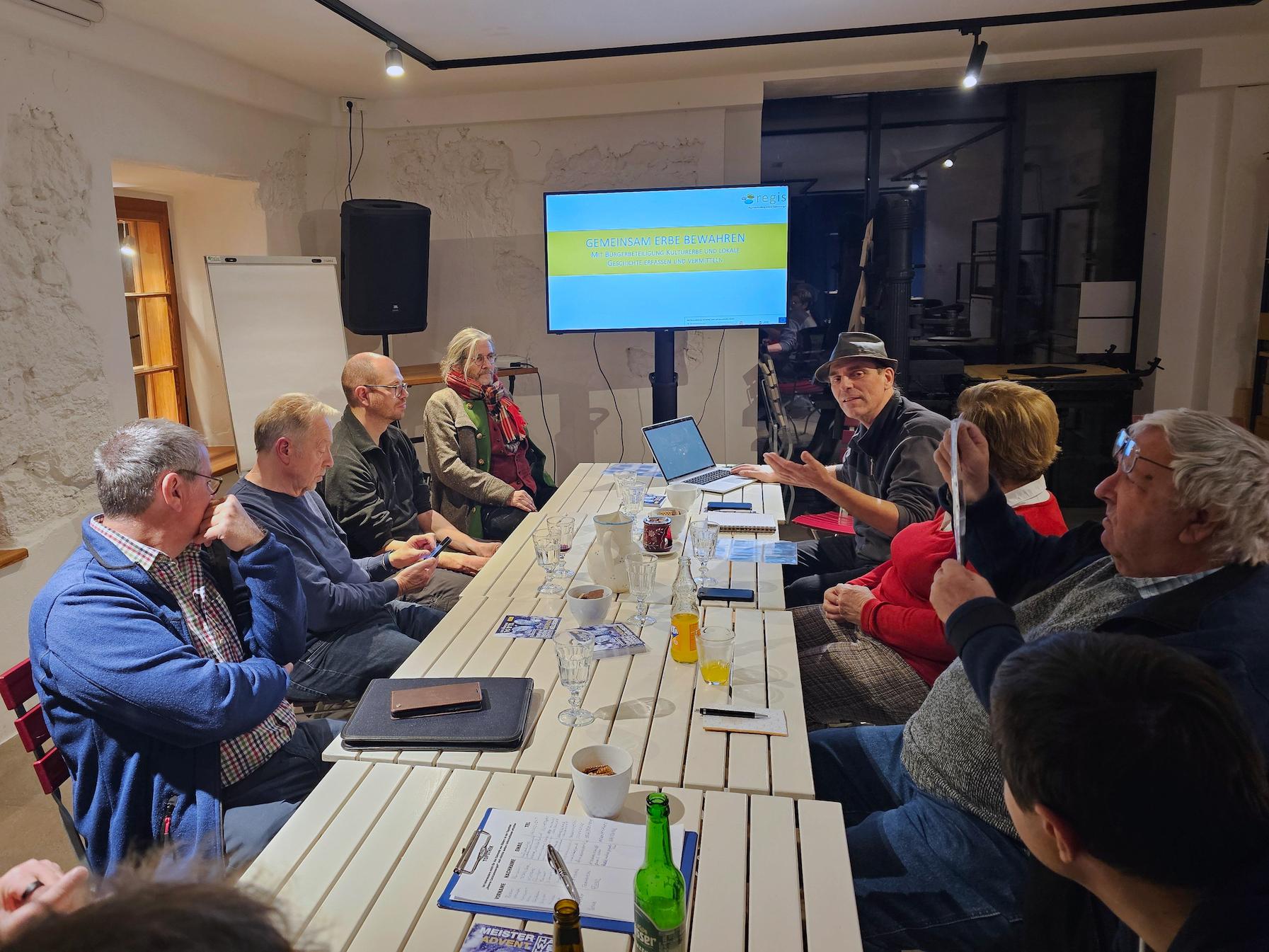
Through the EU LEADER project Gemeinsam Erbe Bewahren (Preserving Heritage Together), initiated by us, the population of the Salzkammergut is given the opportunity to digitize and archive memories, traditions, festivals, and other important chapters of local history. In publicly accessible databases, photos, documents, local histories, landscape features, and buildings are jointly recorded digitally and preserved for the future. This also complements the work of the World Heritage Museum in Hallstatt and the local heritage associations in Gosau and Bad Goisern.
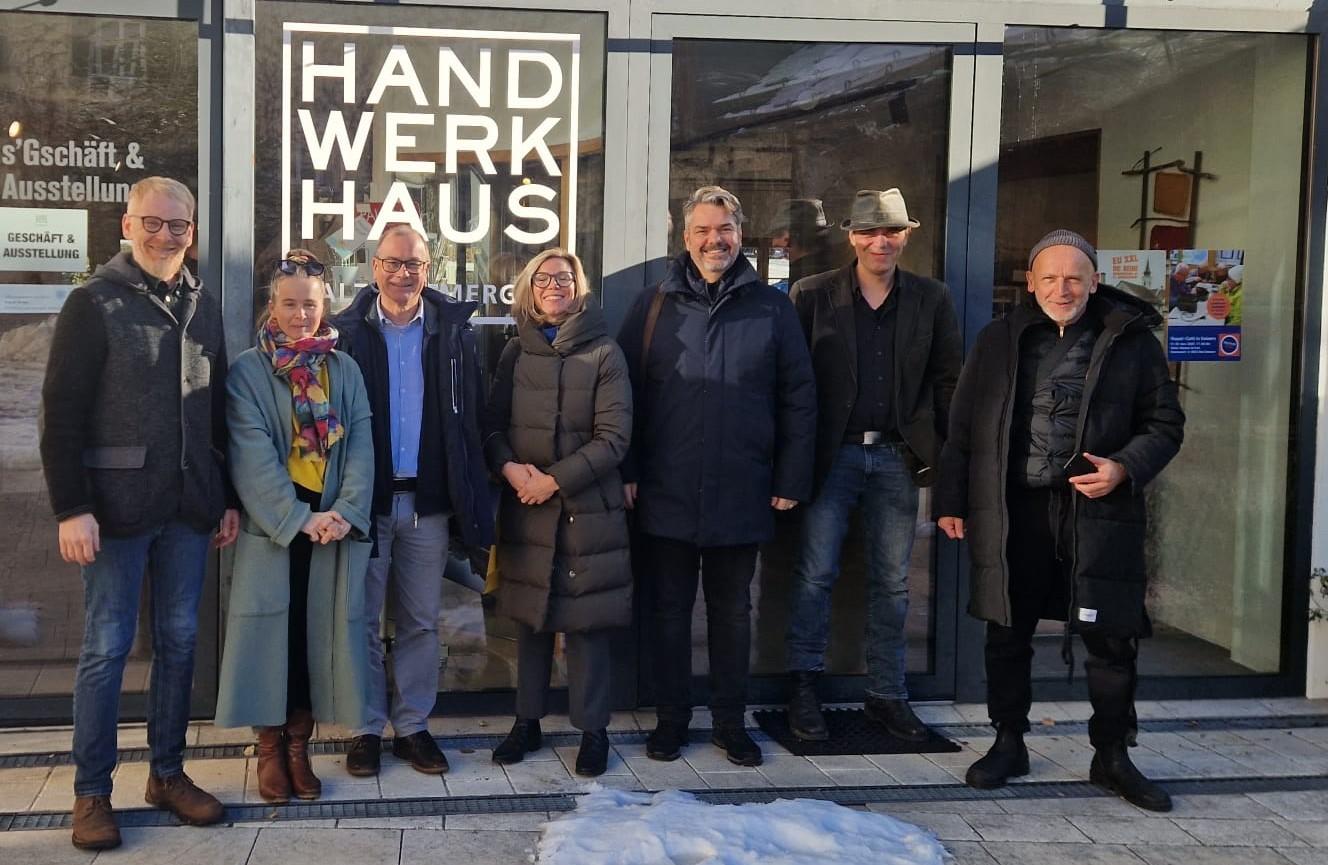
Together with the Hand.Werk.Haus Salzkammergut and HTBLA Hallstatt, further cooperations in the field of intangible heritage were implemented, and a shared use of the ÖBB Hallstatt railway stop is planned for 2026.
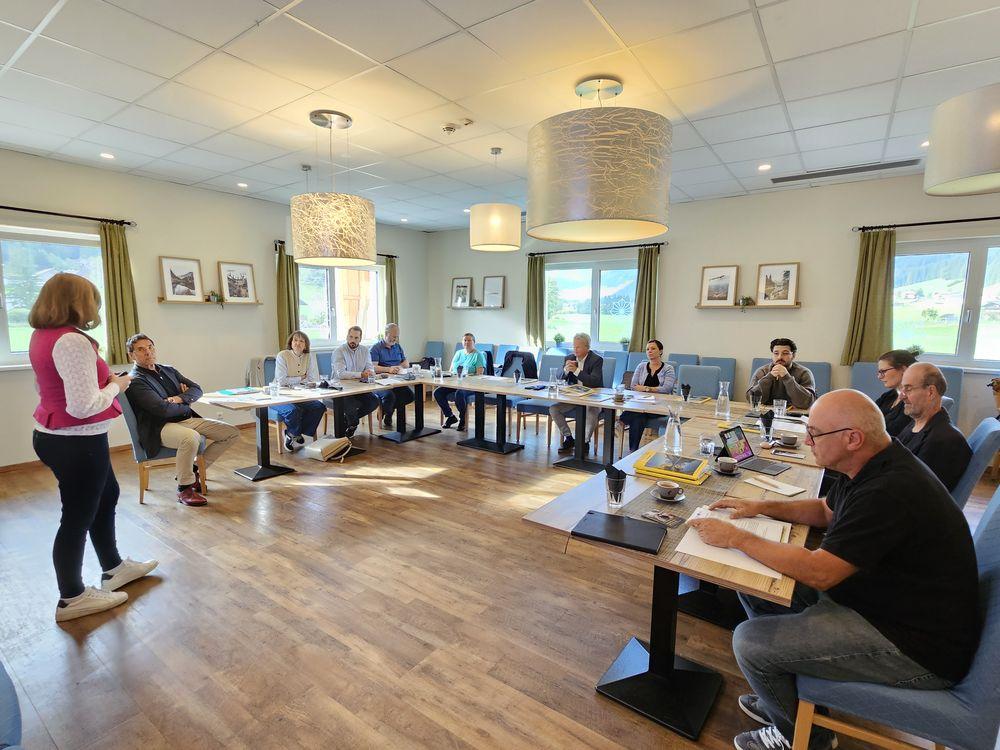
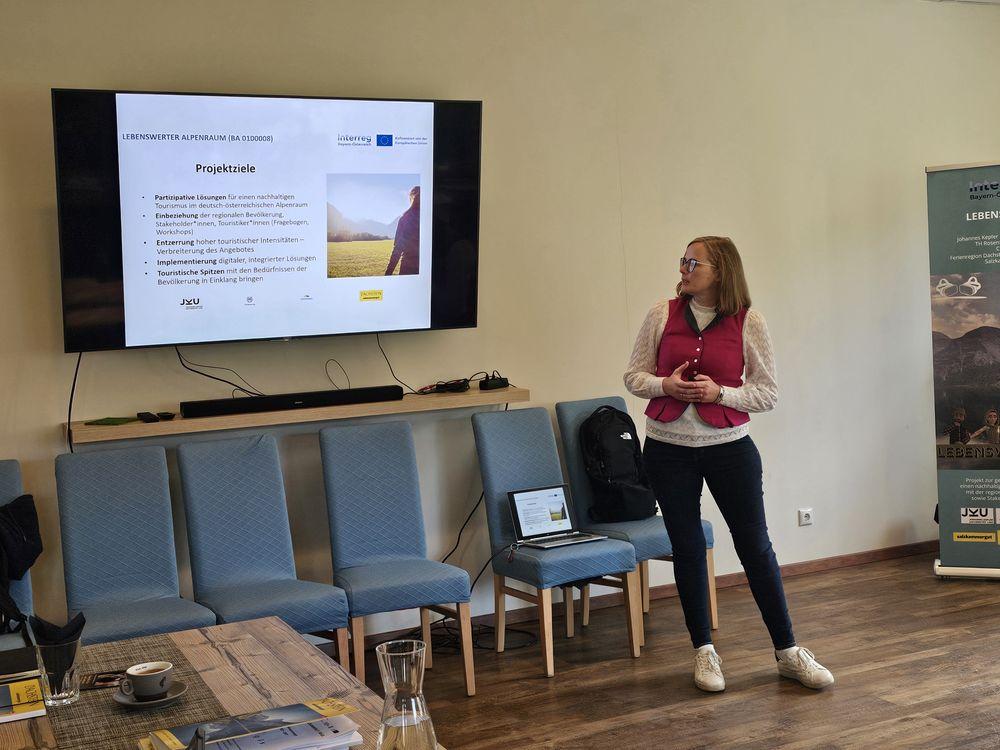
In cooperation with the Dachstein–Salzkammergut Tourism Association, strategies for maintaining quality of life in the region were discussed. We are now working to integrate the “place of longing” Salzkammergut into the World Heritage value framework in a way that enables and supports living preservation.
We continue to work with the market town of Hallstatt on an EU LEADER project focusing on visitor management to relieve traffic pressure in the town. In 2025, important discussions were held with the provincial authorities responsible for road construction to sustainably calm traffic flows in Hallstatt through changes in mobility.
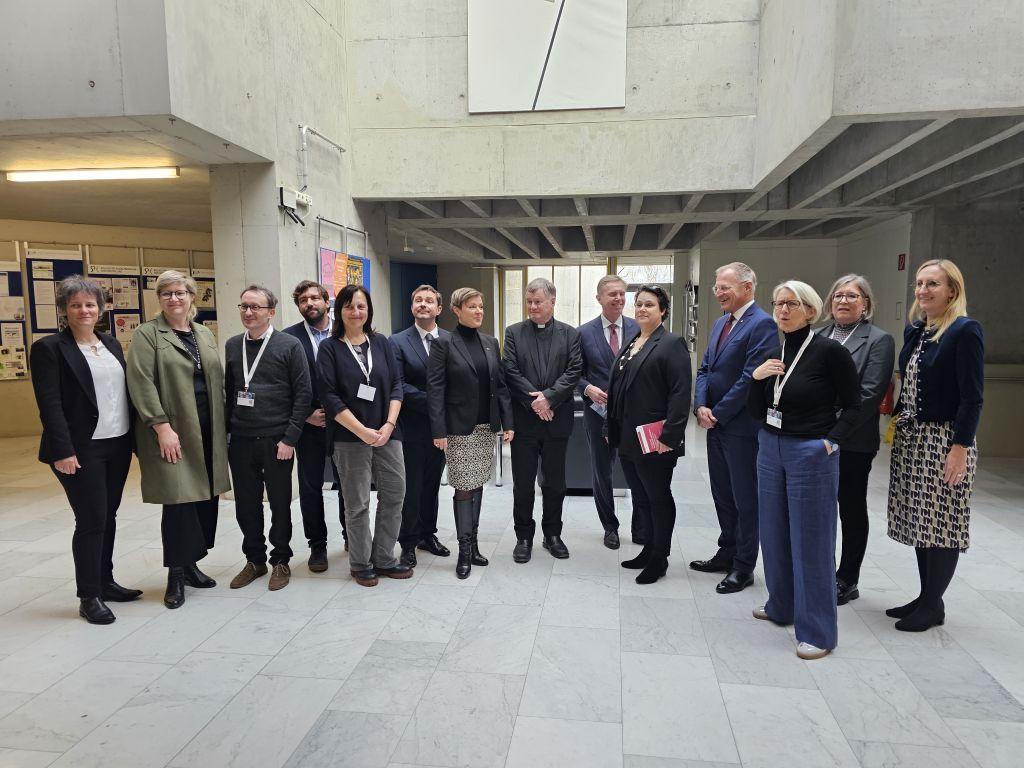
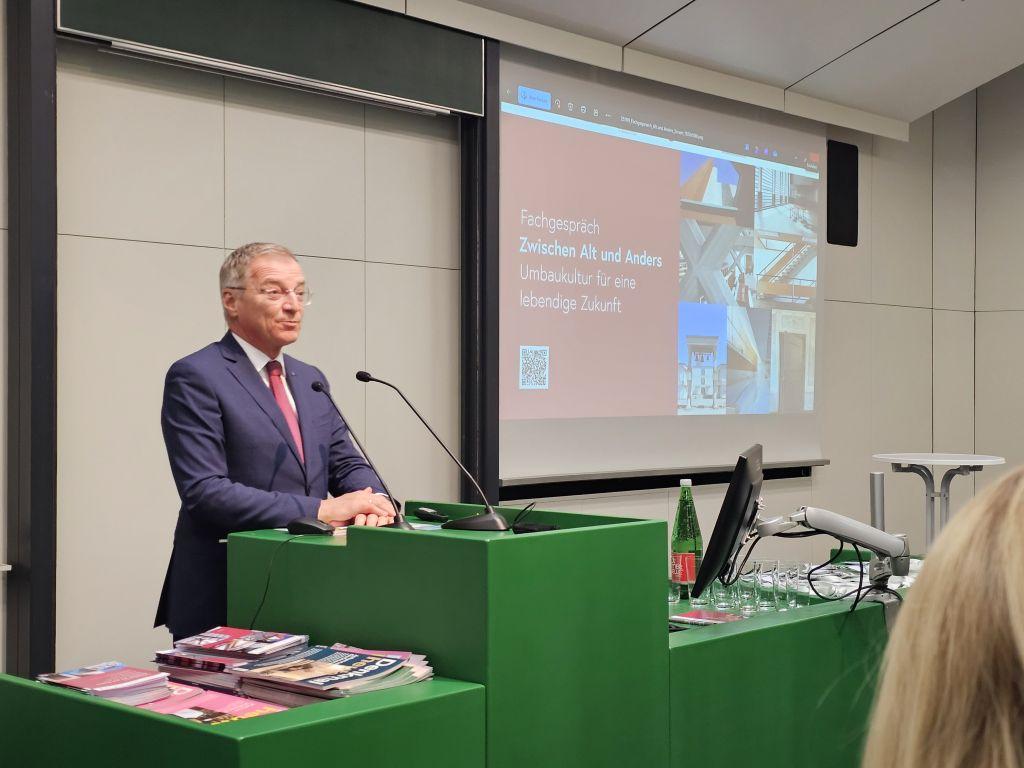
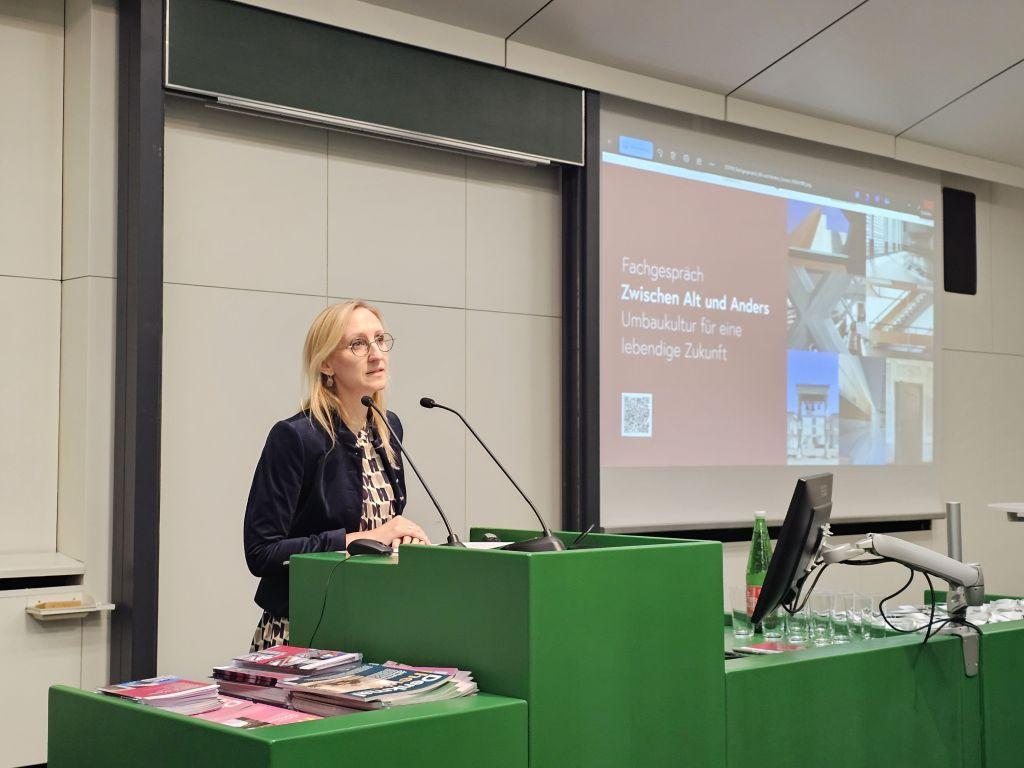
In collaboration with the Federal Monuments Office (with special thanks to the specialist directorate and the Upper Austria State Conservation Office) and the Catholic Private University of Linz, a building culture guideline for the World Heritage site is currently being developed. It will support developers in finding affordable and sustainable solutions for renovations and new buildings that integrate well into the building traditions of the Salzkammergut.
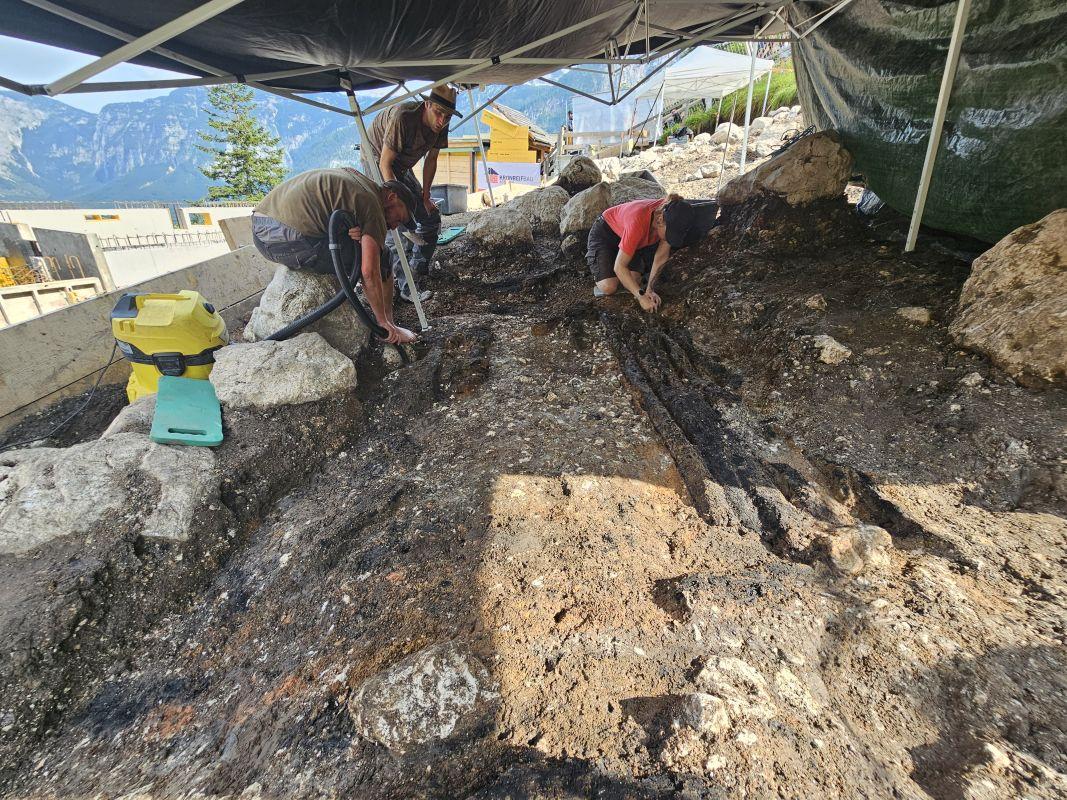
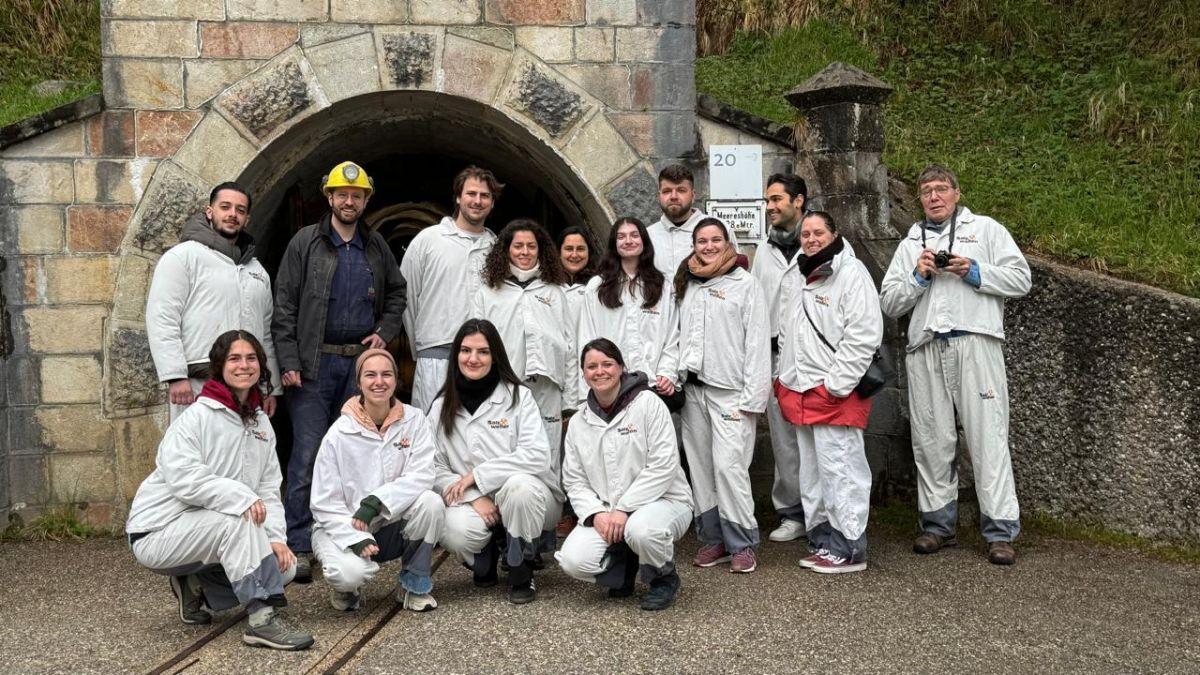
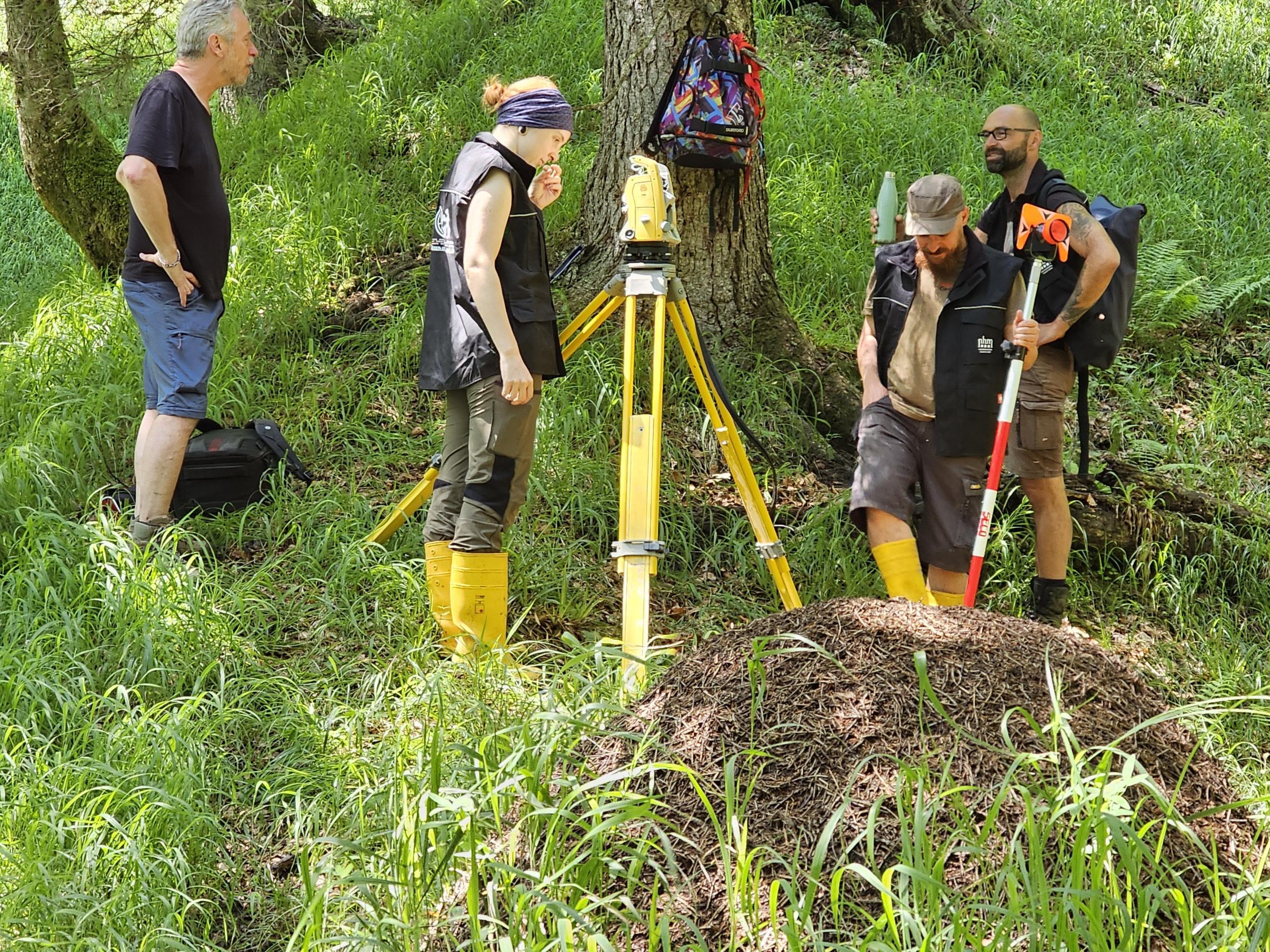
In June, the event Archaeology on the Mountain (AAB) was held together with the Natural History Museum Vienna and the Salzwelten. With the reopening of the cable car to the high valley planned for 2026, something truly special is in store—so we recommend marking September 2026 prominently in your calendars now.
Once again in 2025, architect, building culture researcher, and lecturer Fritz Idam published many podcasts on the architectural history of the Salzkammergut. Listening is highly recommended!
Outlook for 2026
In 2026, the Salzkammergut will celebrate the anniversary of a period of renewal: with the incorporation of Bohemia into the Habsburg Monarchy in 1526, salt mining was industrialized. New methods had to be developed to meet growing demand, and the salt industry reached its peak. Together with Archaeology on the Mountain and the association Wege des Salzes (Paths of Salt), we will intensively celebrate salt transport, routes, and trade throughout 2026.
This will begin in April with a joint hike and reach its highlight with Archaeology on the Mountain in September. In spring, we will once again work with students from TU Wien to further advance the (digital) documentation of the cultural landscape.
Even more attention will be devoted to preparations for KulturExpo 2027. That year will see an impressive series of anniversaries: 30 years of World Heritage status, 100 years of cooperation between the Natural History Museum Vienna and Salinen Austria, and 150 years of passenger rail transport to the Inner Salzkammergut.
We are therefore very much looking forward to an exciting double year in 2026 and 2027!
Once again, we sincerely thank you for the productive cooperation and the trust you have placed in us. Enjoy the reflective season, and may you enter the New Year healthy and motivated!
With best World Heritage regards,
The Management
World Heritage Manager: Bernd Paulowitz
Project Support Team: Renate Bornberg, Michael Körner, Karl Posch
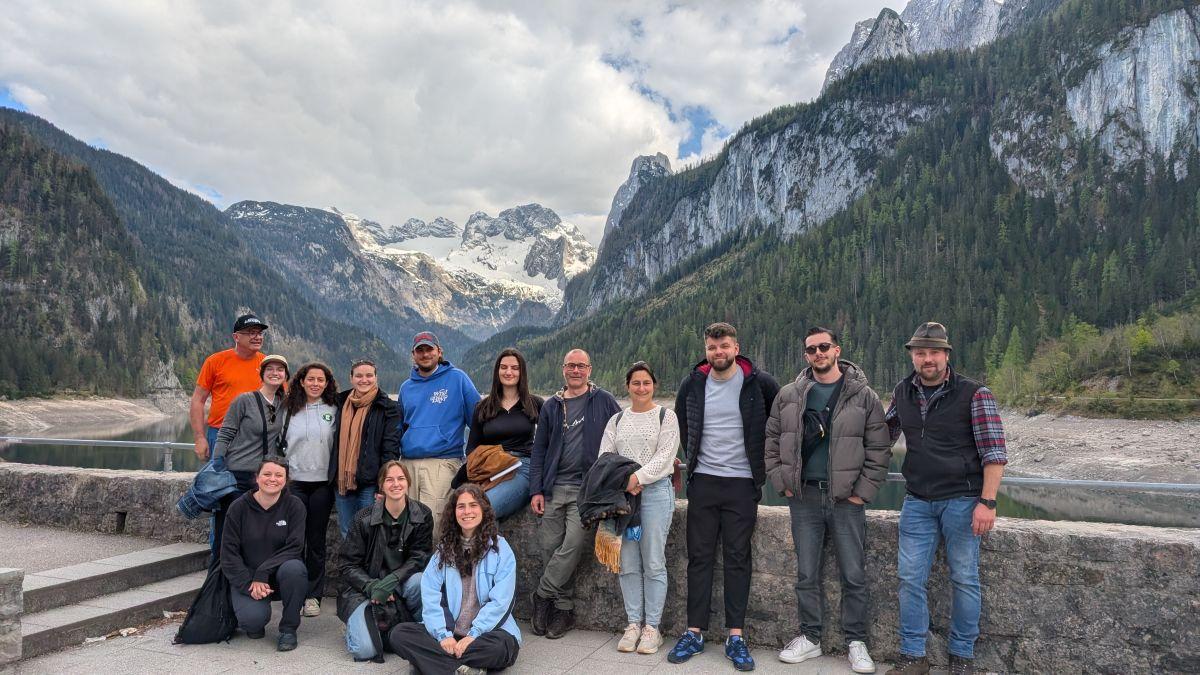
Looking back on 2025


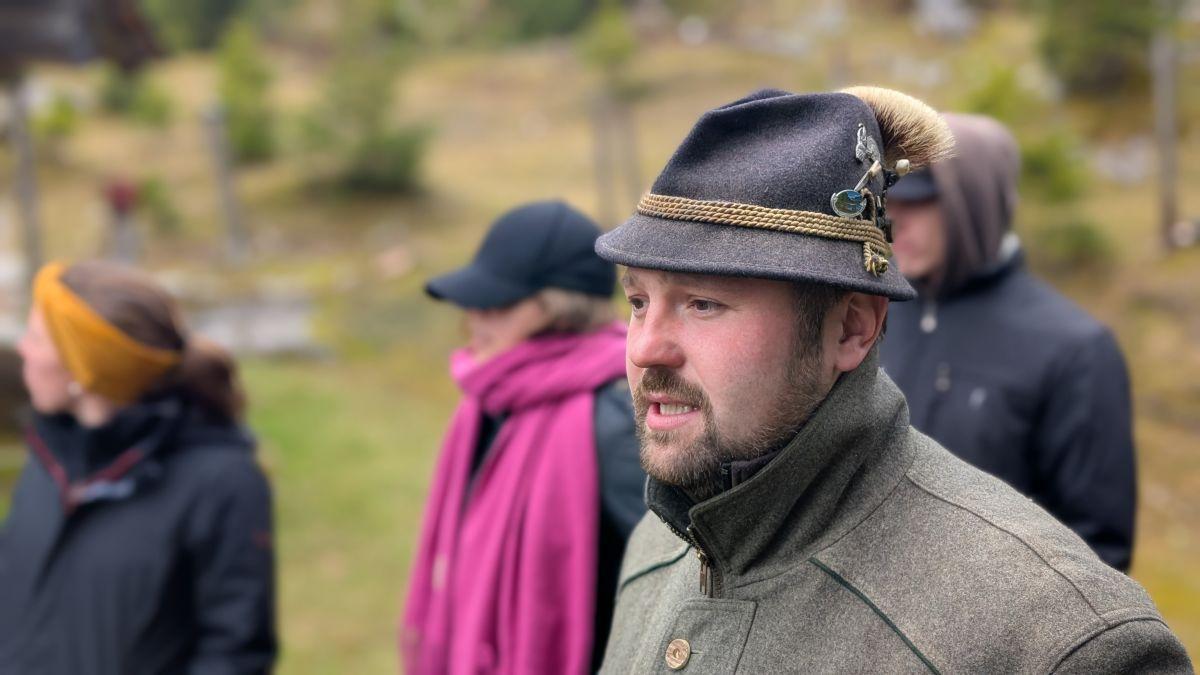
Karl Posch Bernd Paulowitz Michael Körner





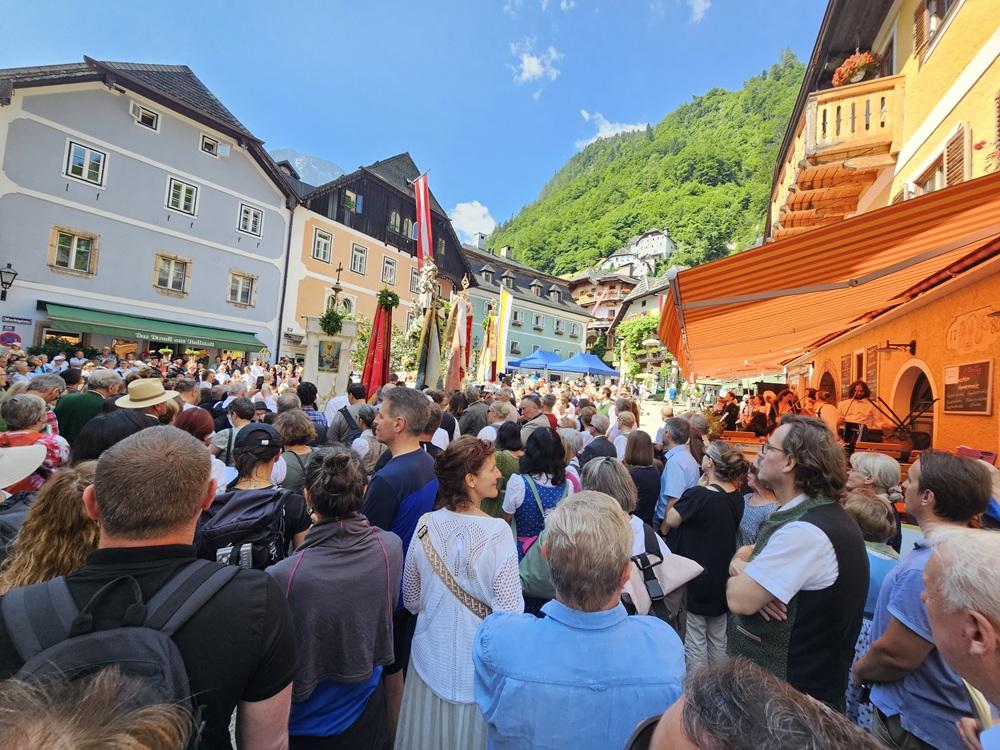
Das Fronleichnamsfest ist ein Hochfest im Kirchenjahr der katholischen Kirchen, mit dem die nach kirchlicher Lehre bleibende Gegenwart des als Sohn Gottes angesehenen Jesus Christus im Sakrament der Eucharistie gefeiert wird.
Kennzeichnend
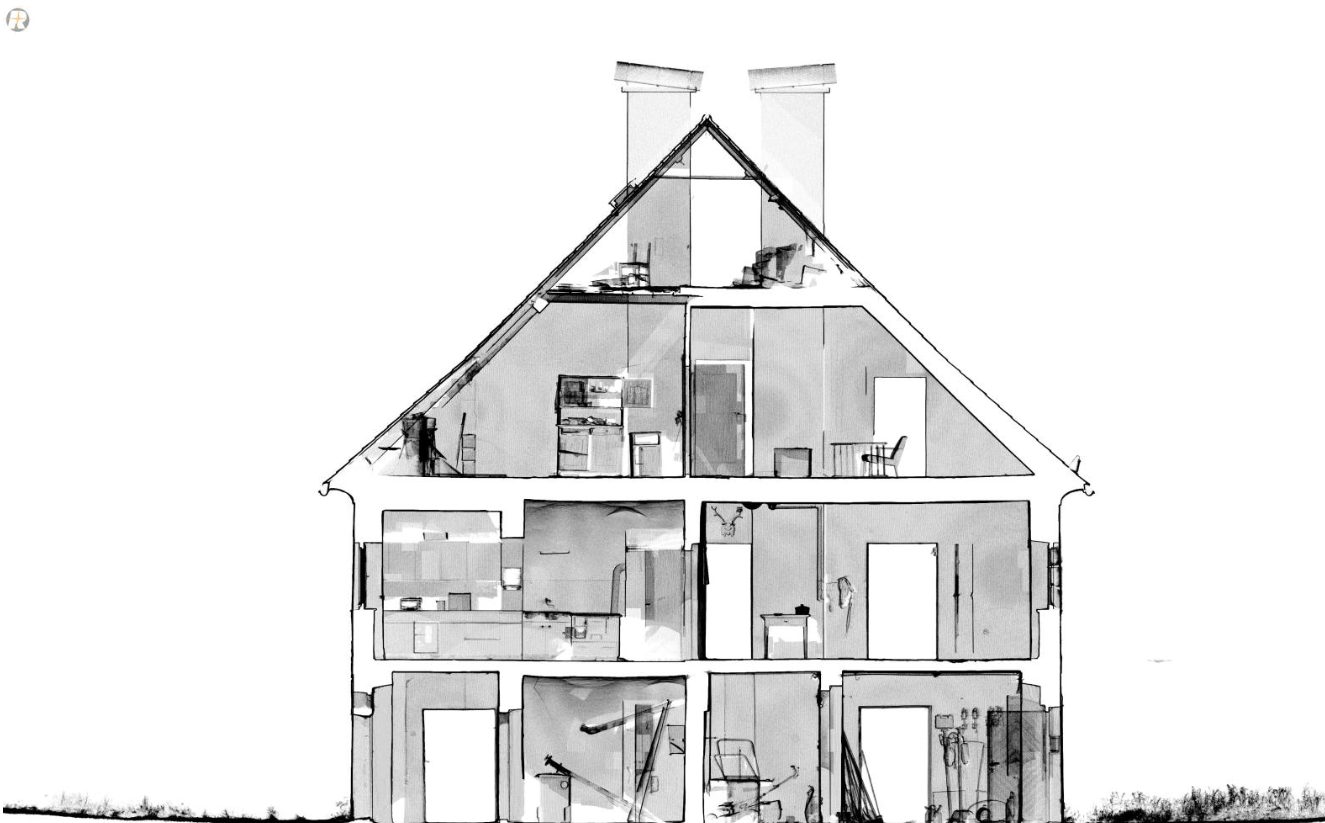
Georeferenzierte Punktwolke
Georeferenzierte Punktwolke
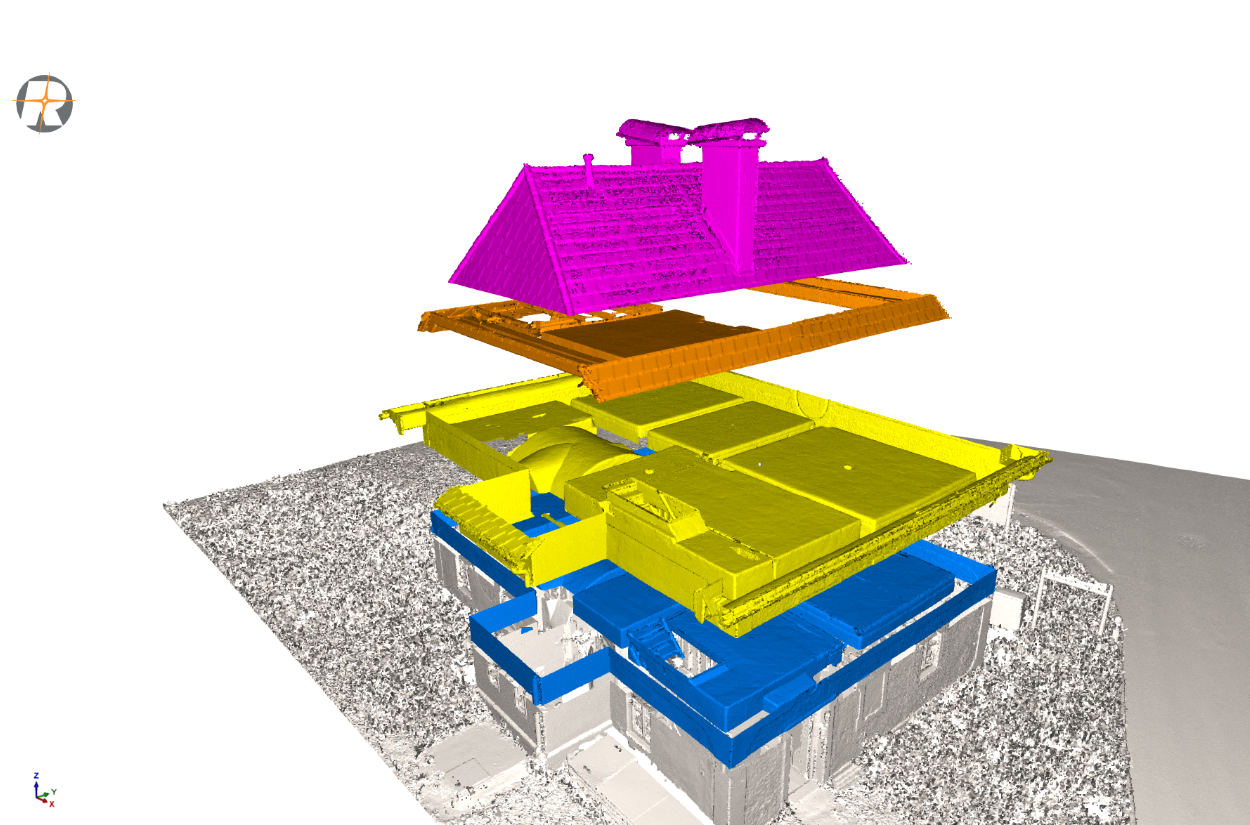
Streudiagramm der Punktwolke
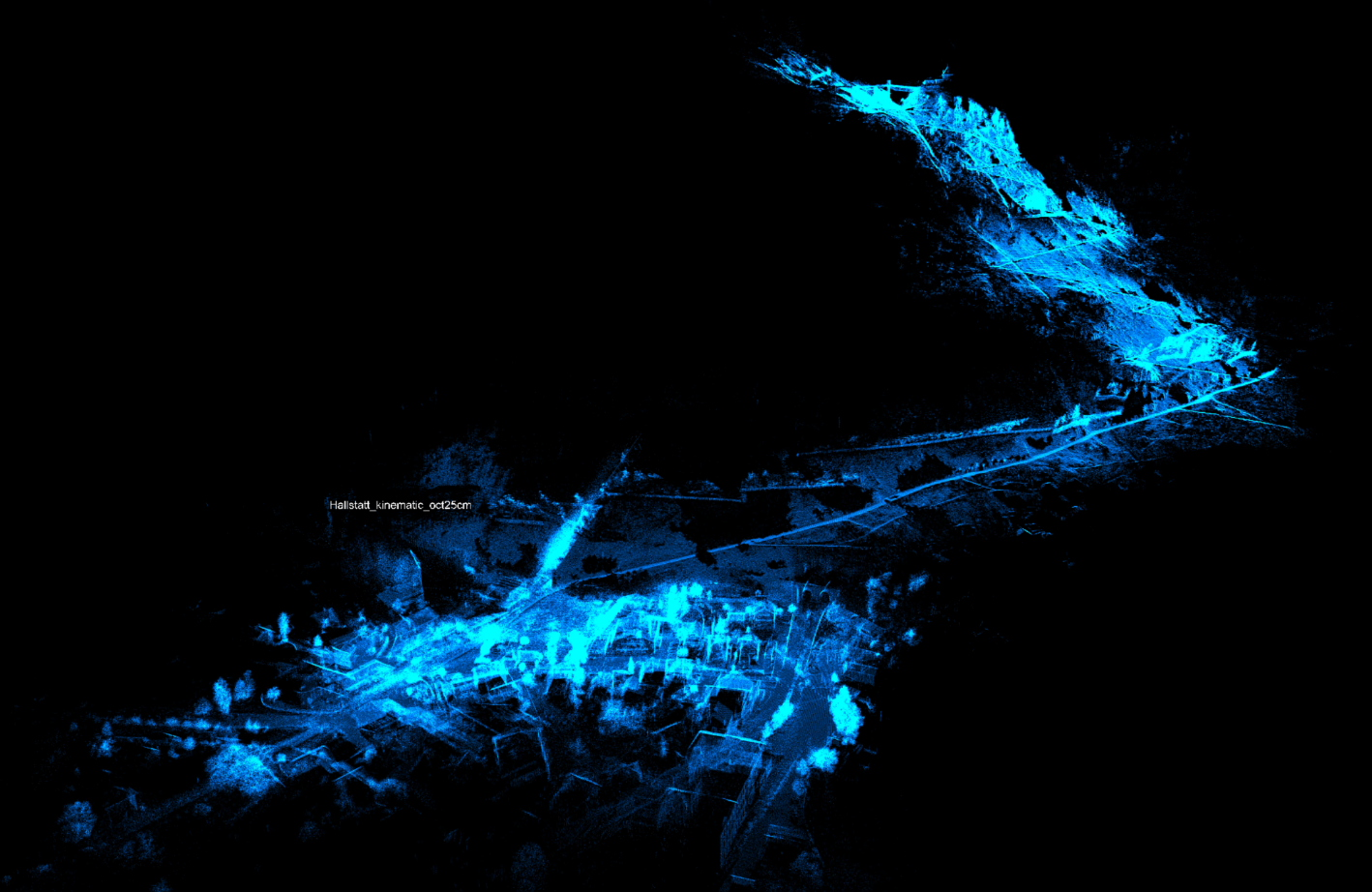
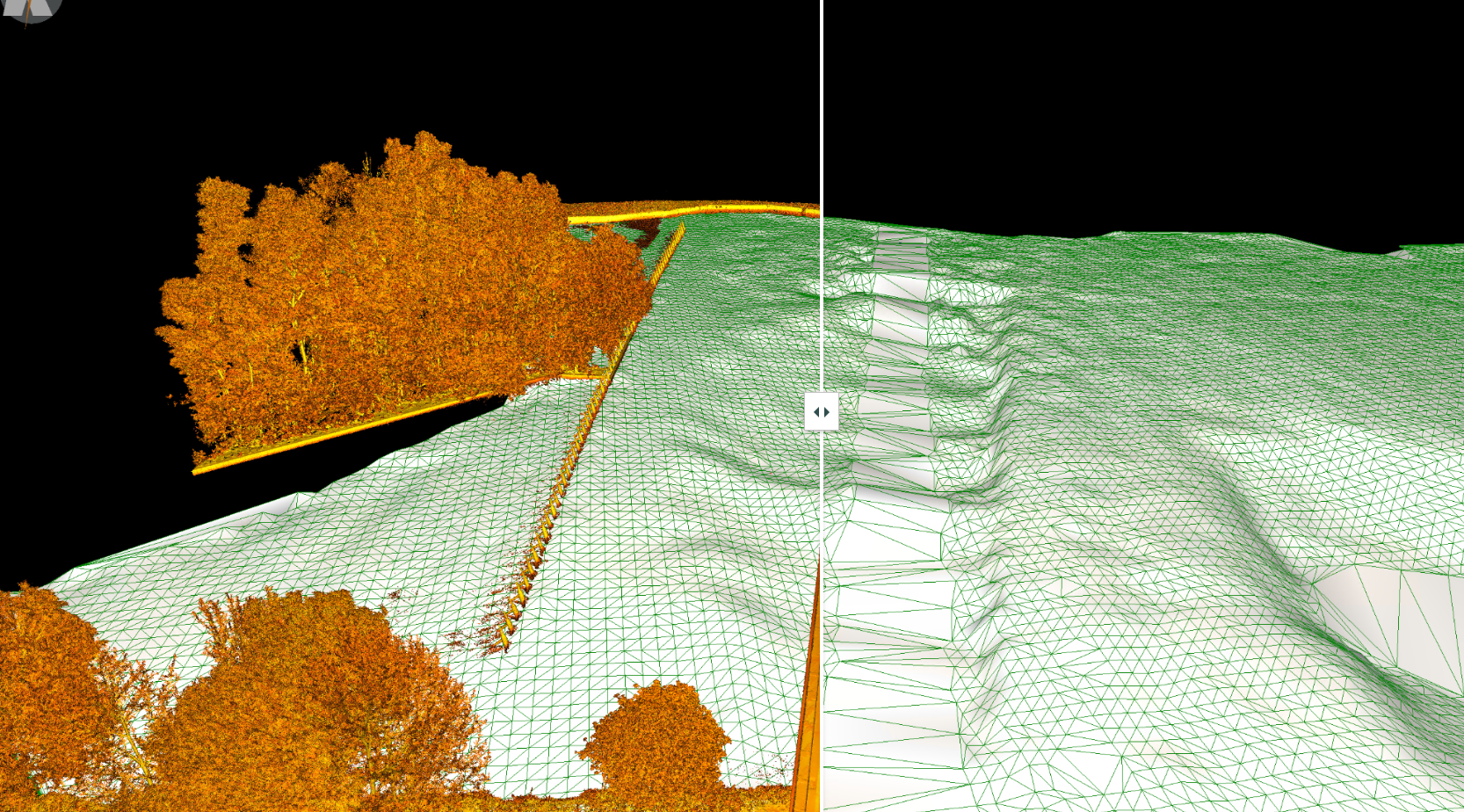
Kinematisches Modell vom Hallstatt ins Hochtal: Im kinematischen Modell wurde die Vegetation automatisch entfernt um die Topographie zu zeigen. Erstellt durch Riegl
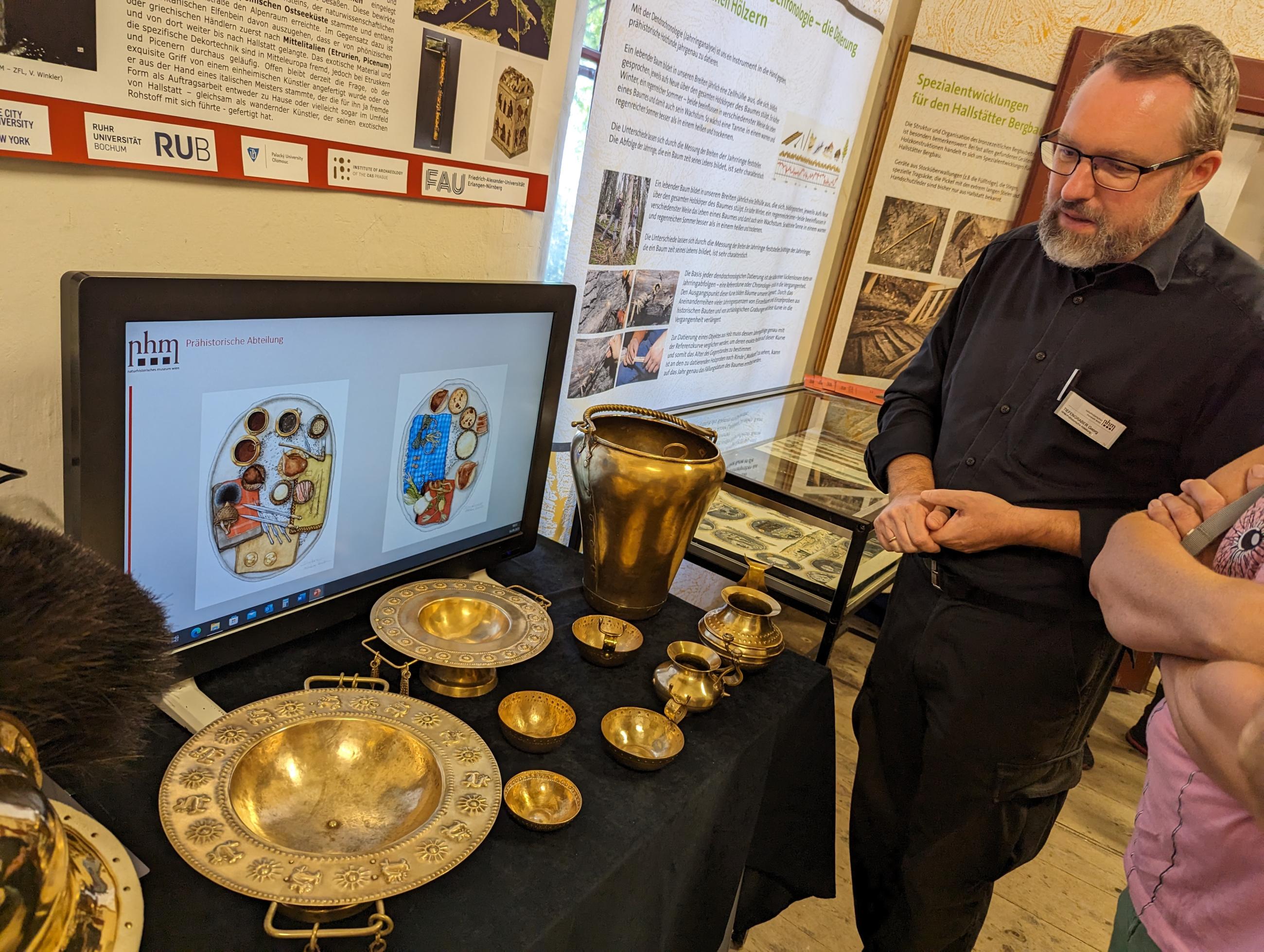
Metallfundstücke aus dem Hallstätter Gräberfeld

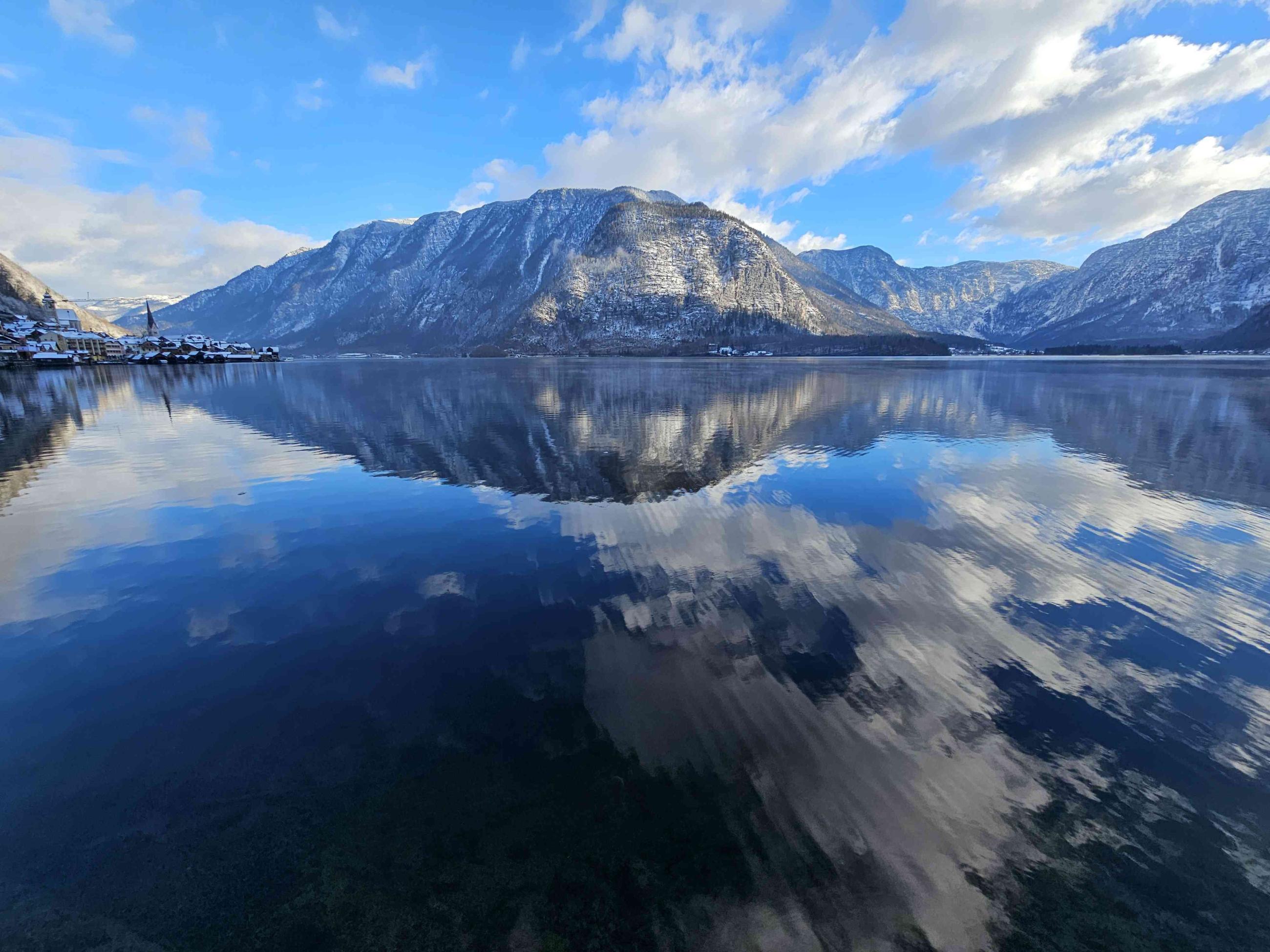
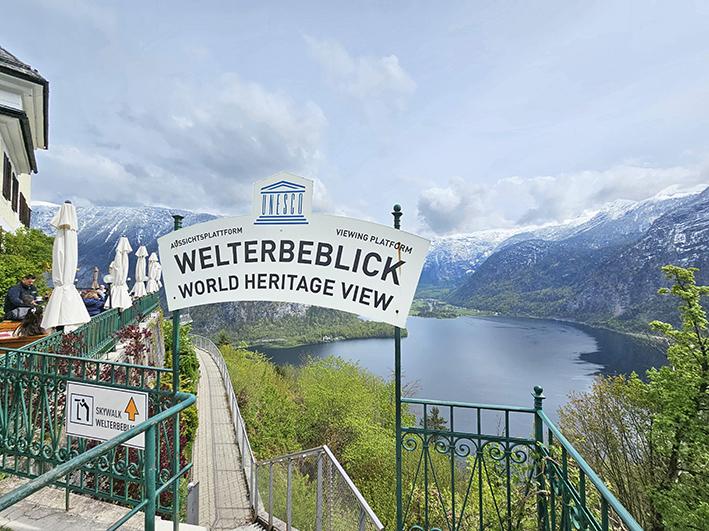

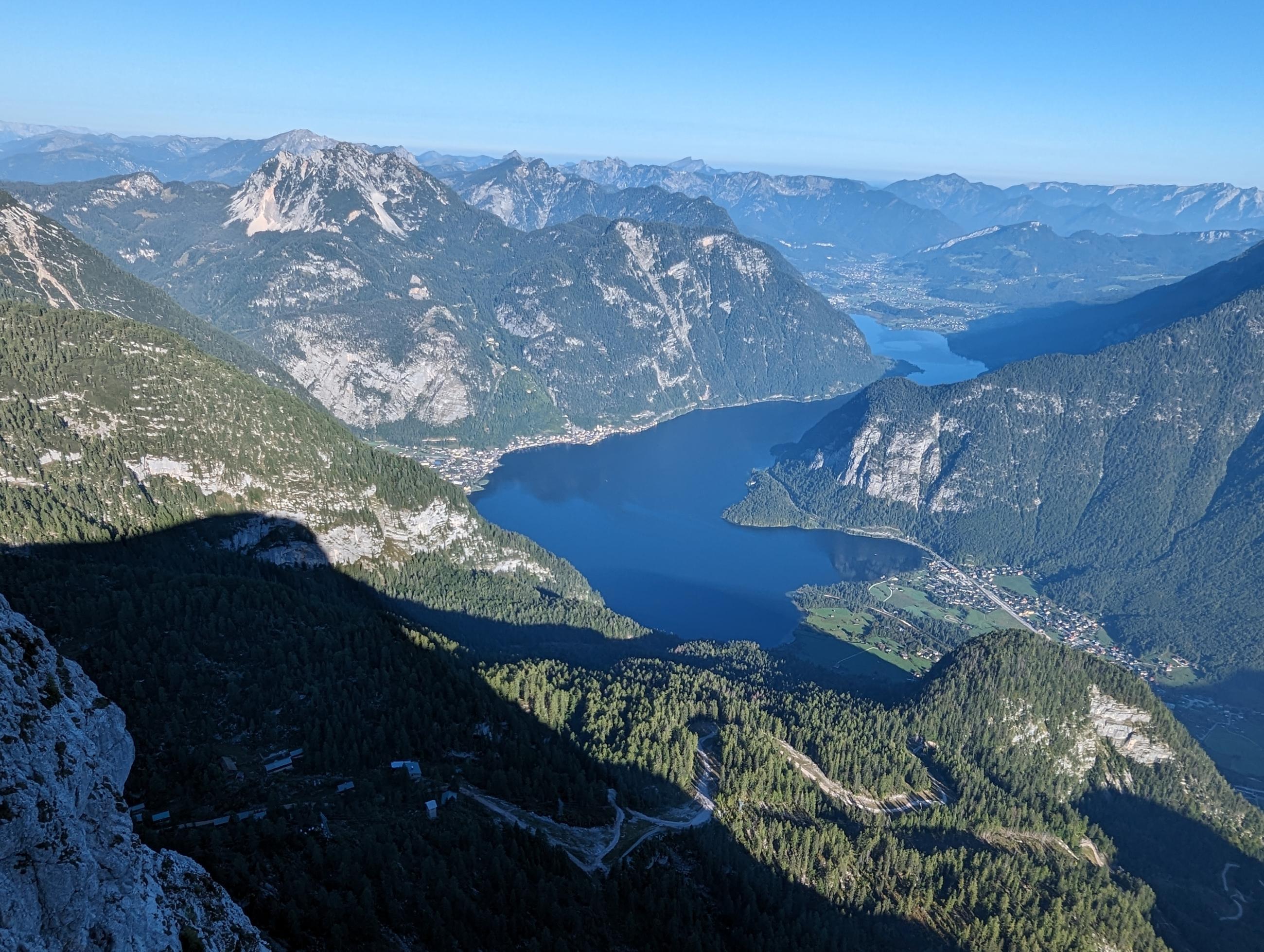
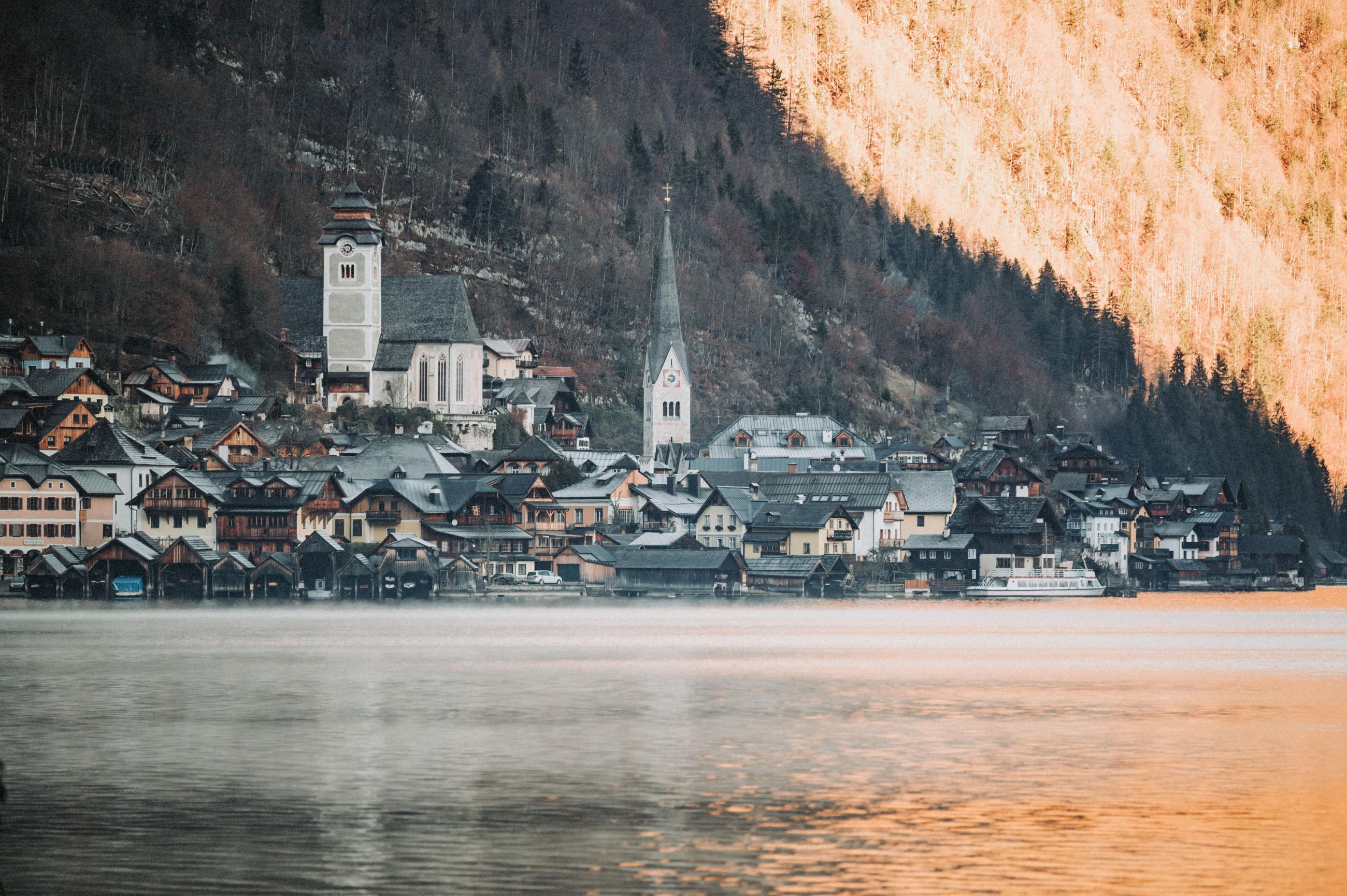
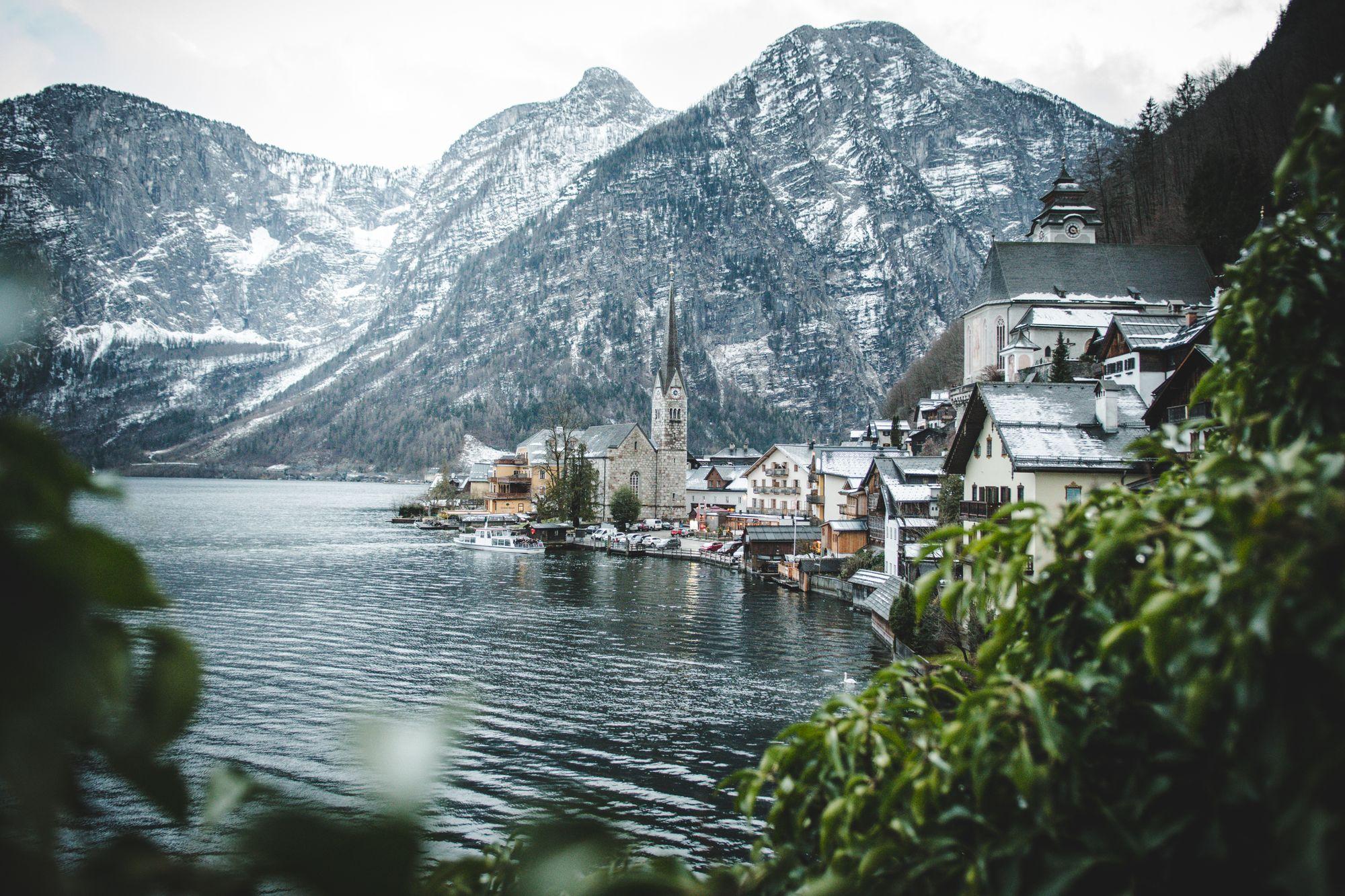
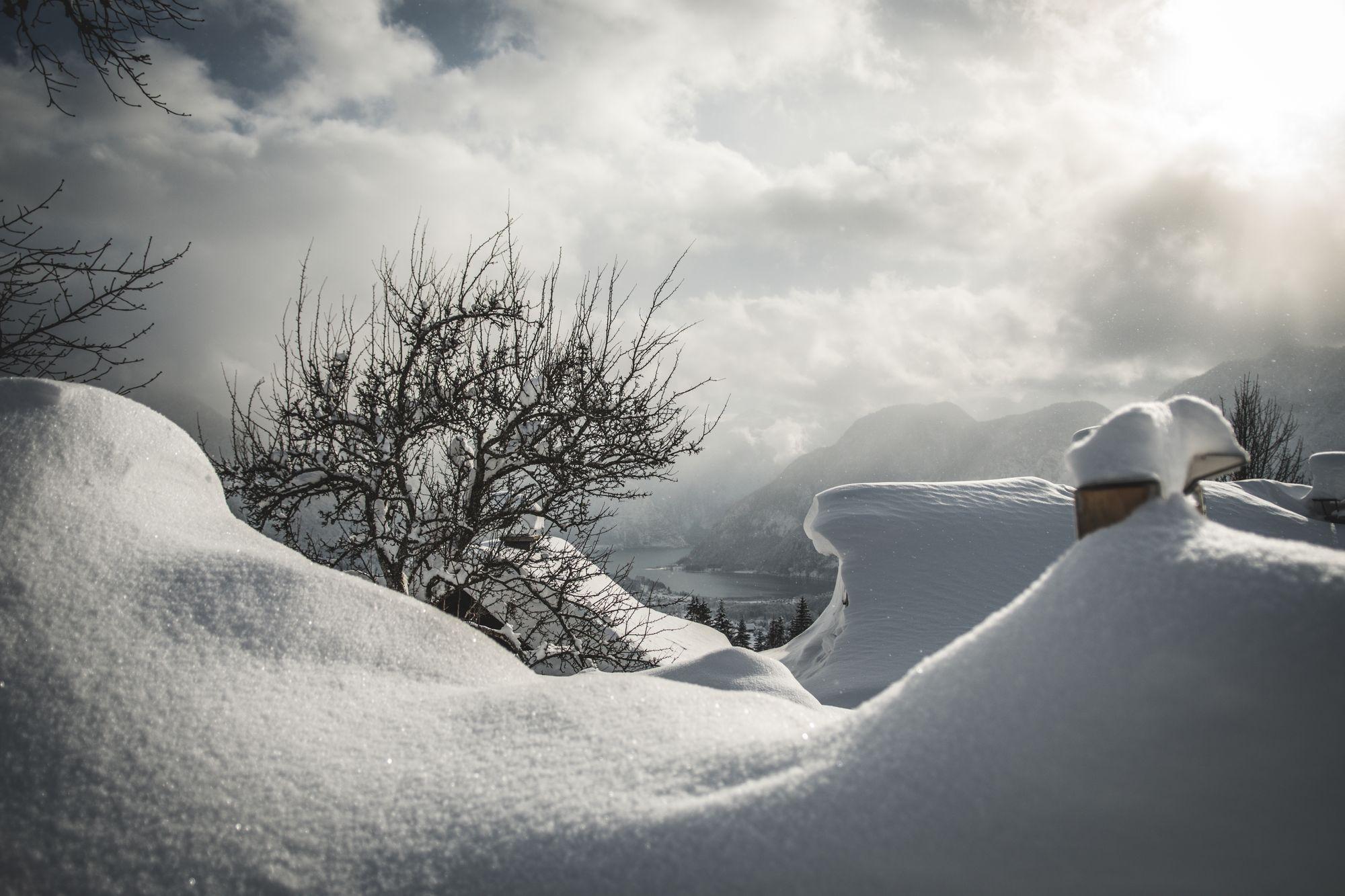
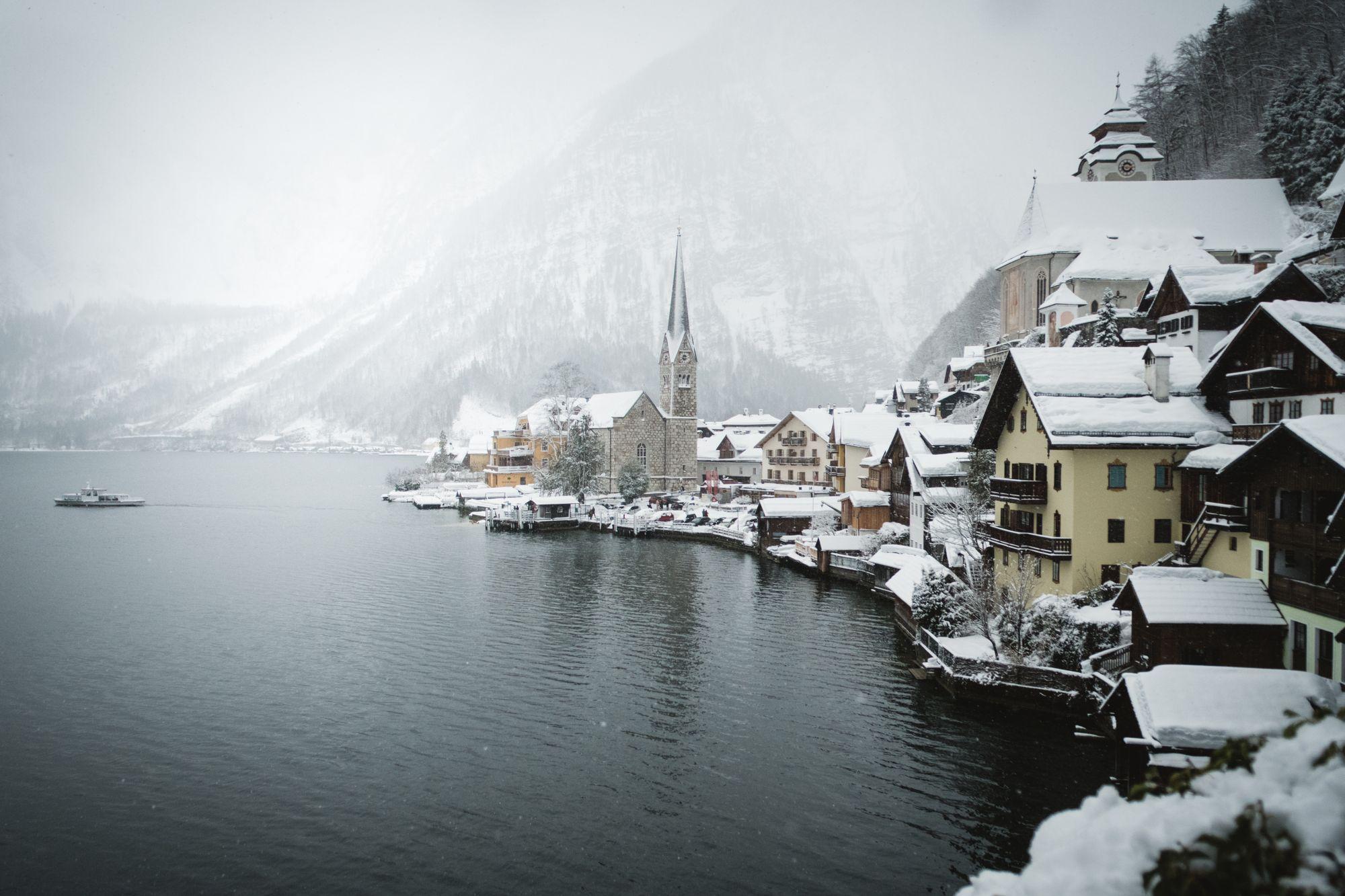
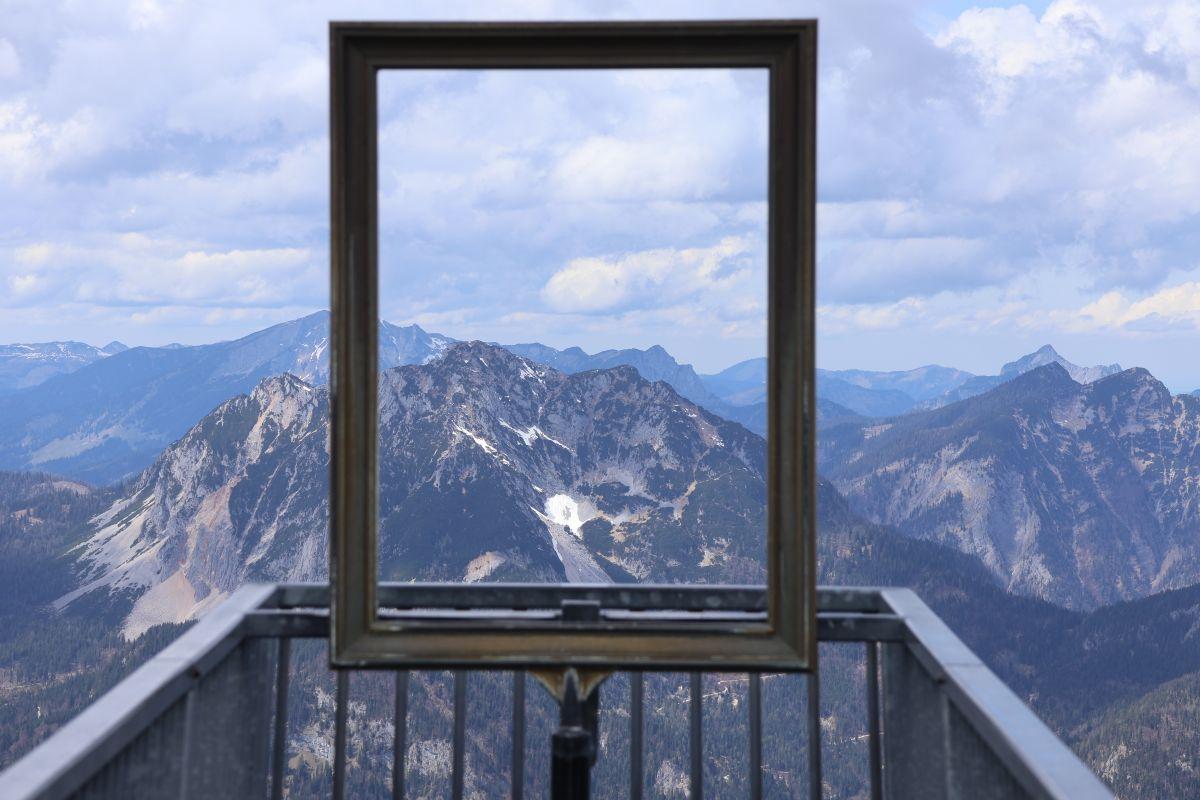
Blick von Five Fingers über den Hallstättersee
Welterbemanagement Kulturlandschaft Hallstatt-Dachstein / Salzkammergut Karl Posch