International architecture excursion of TU Vienna in the UNESCO World Heritage region of Salzkammergut
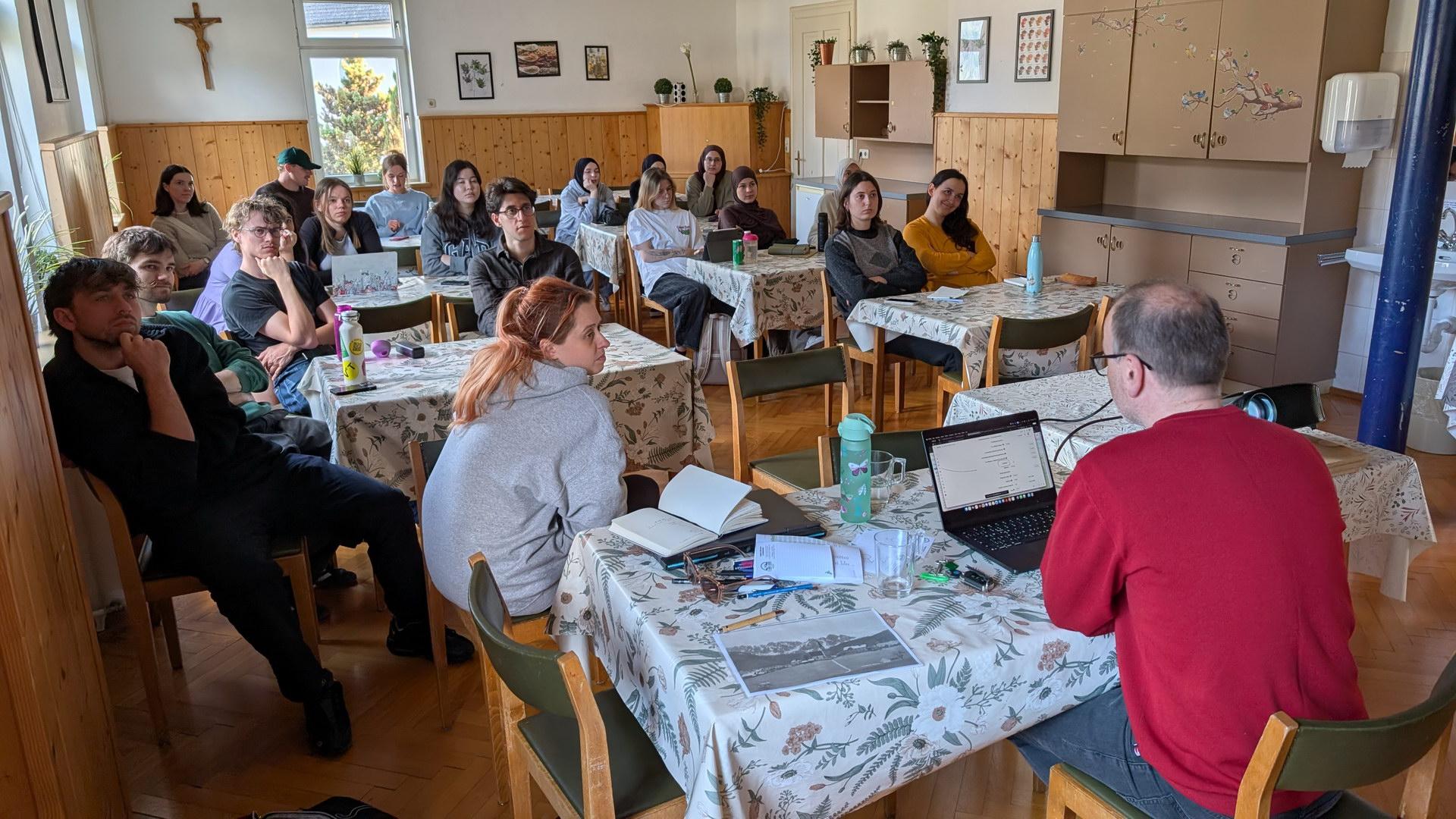
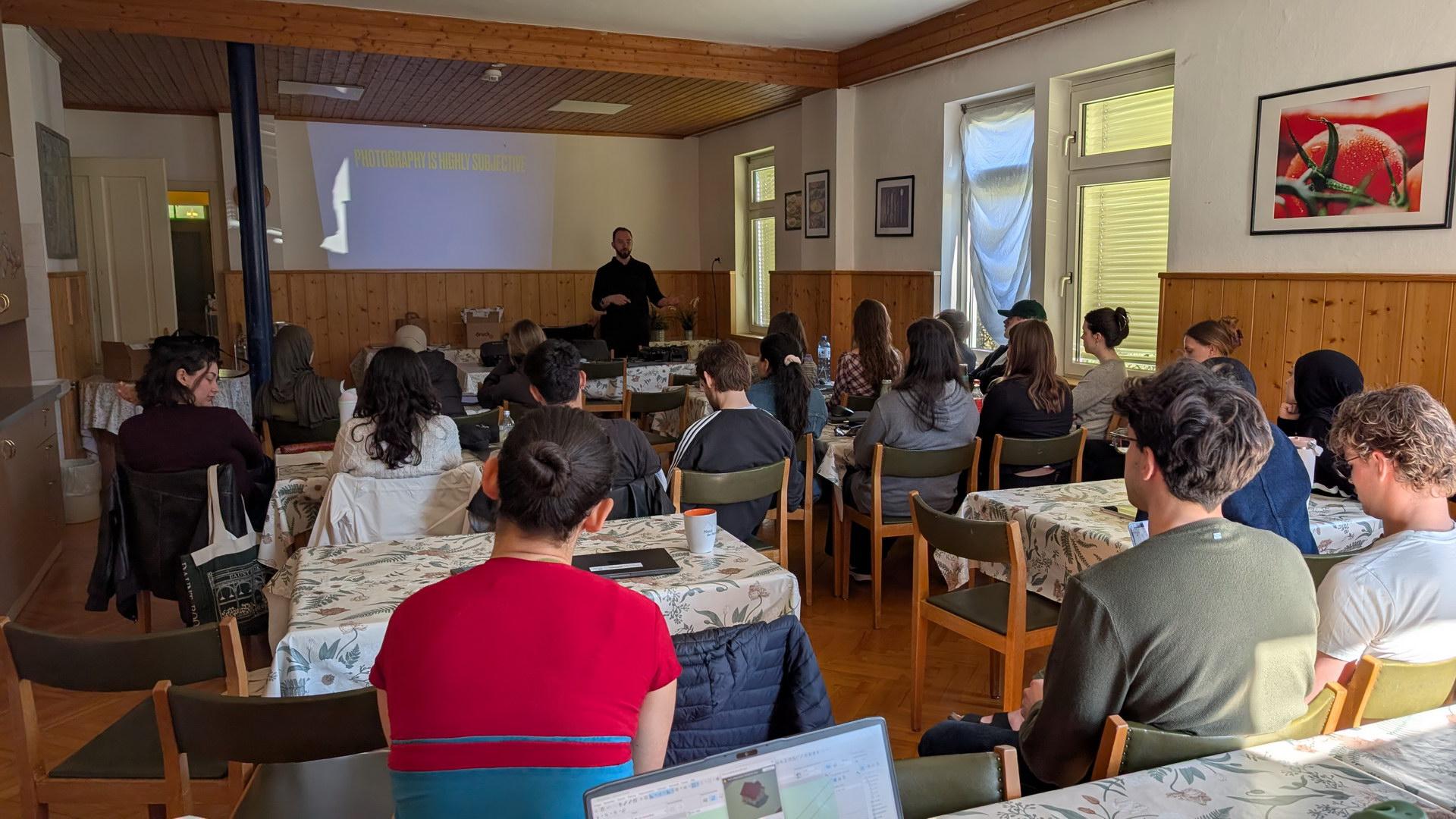
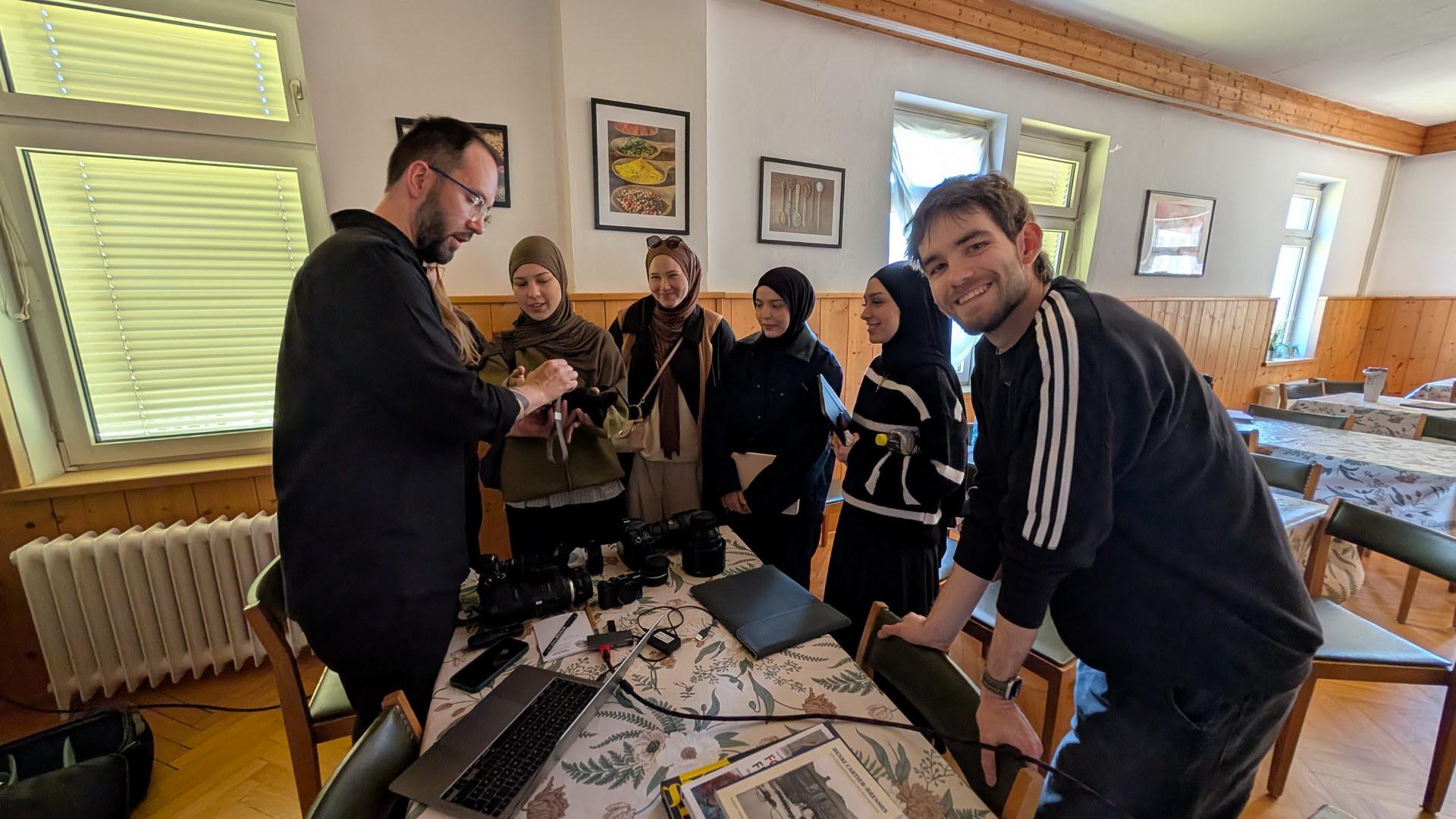
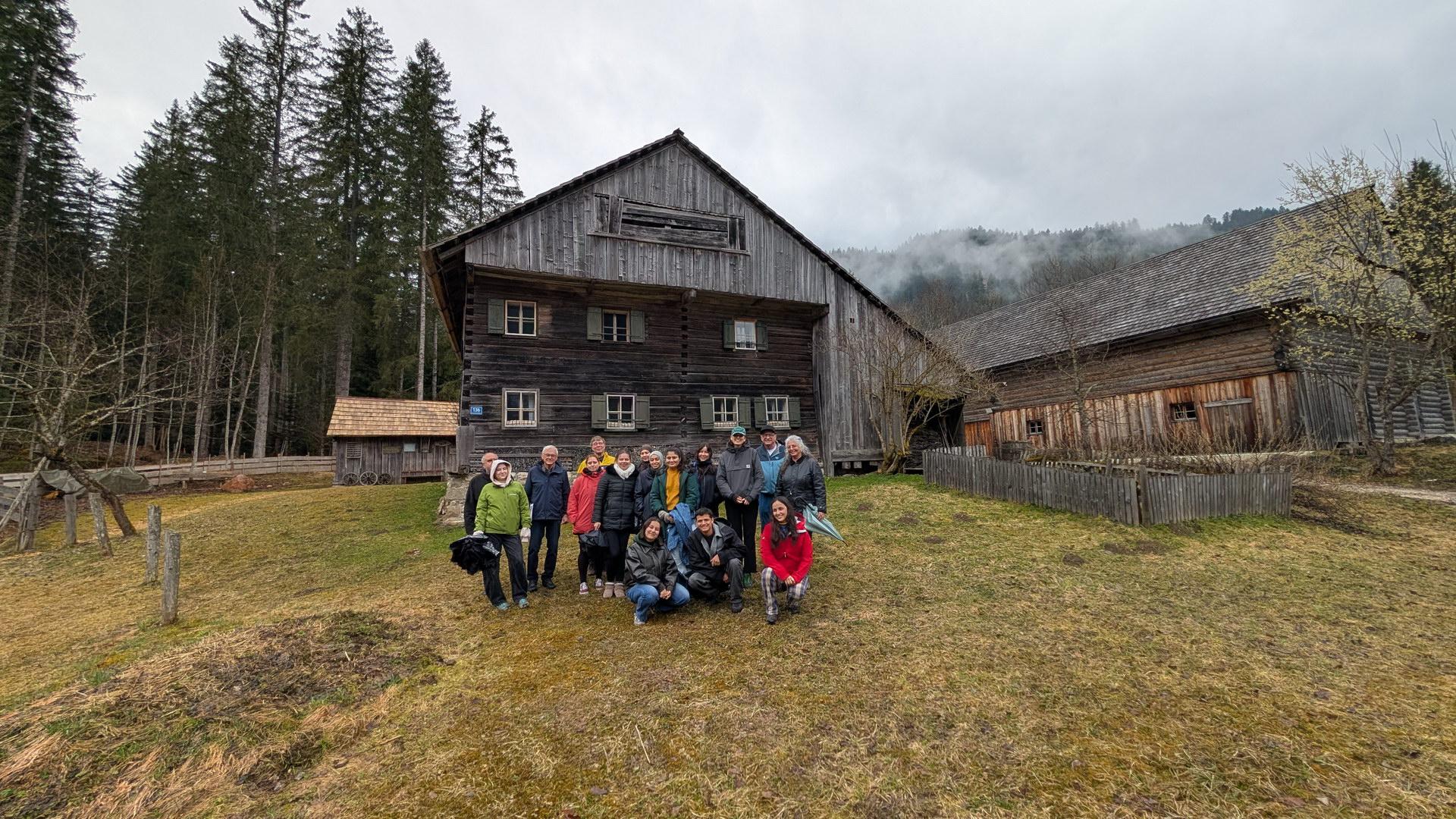
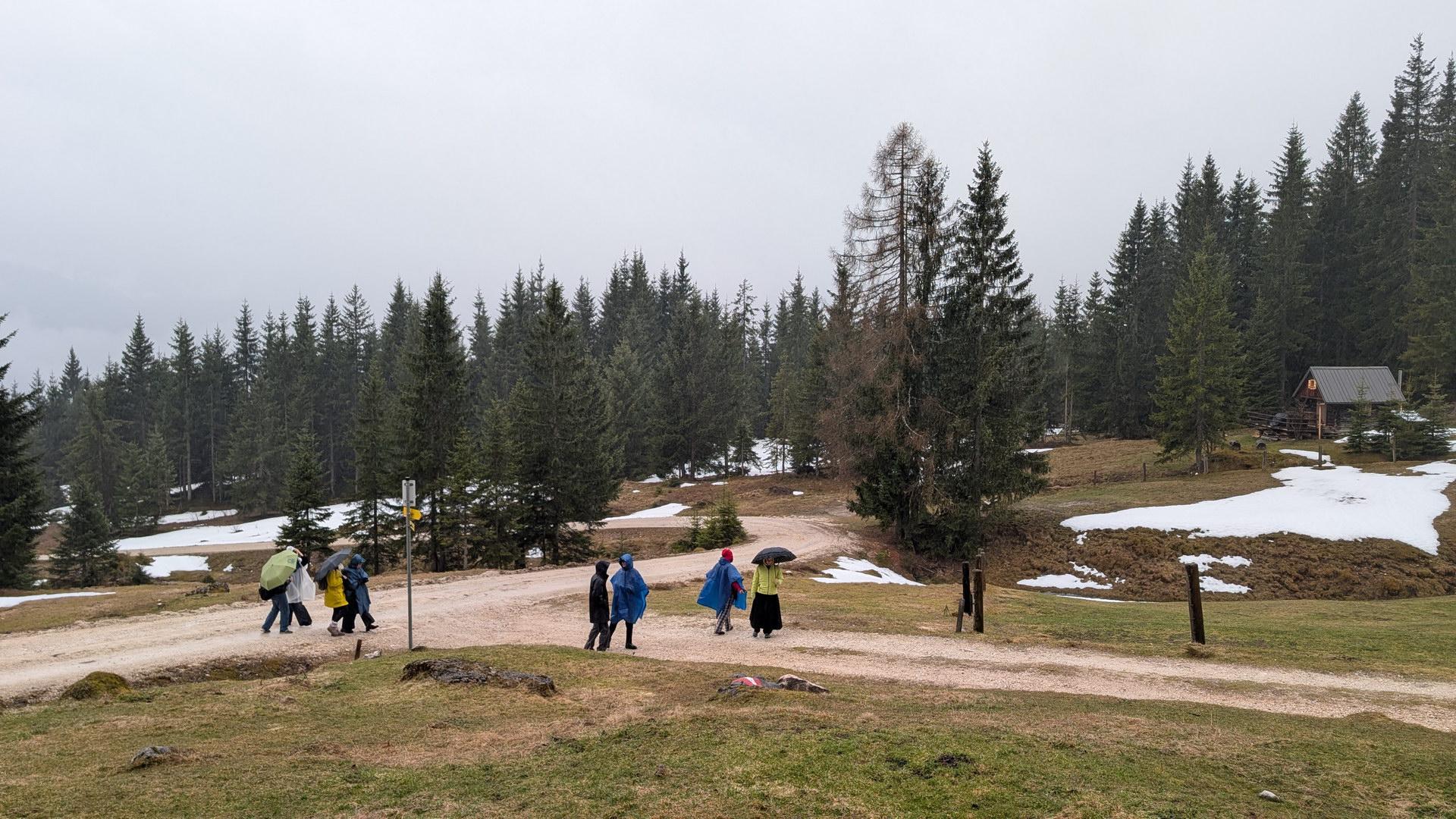
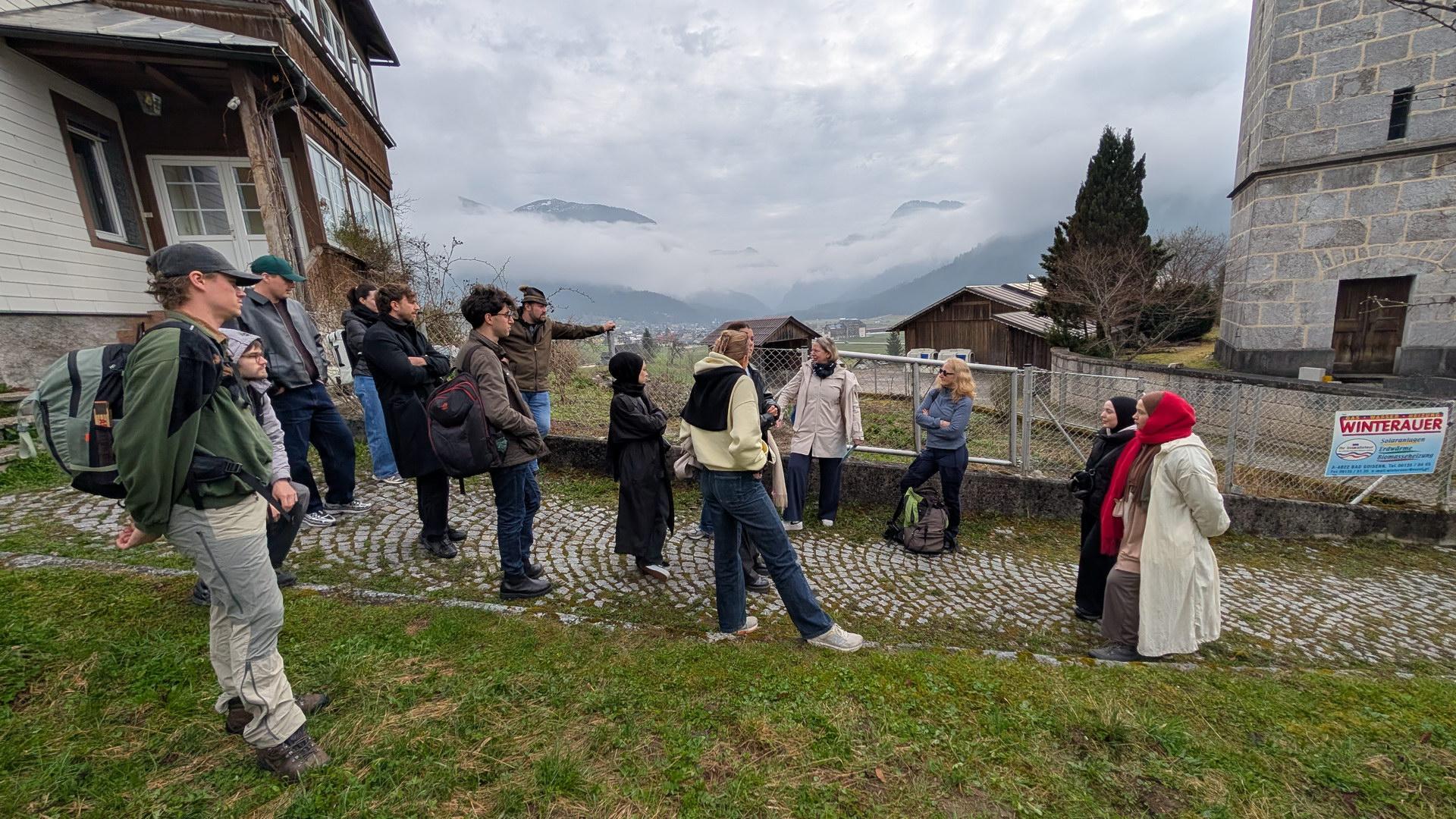
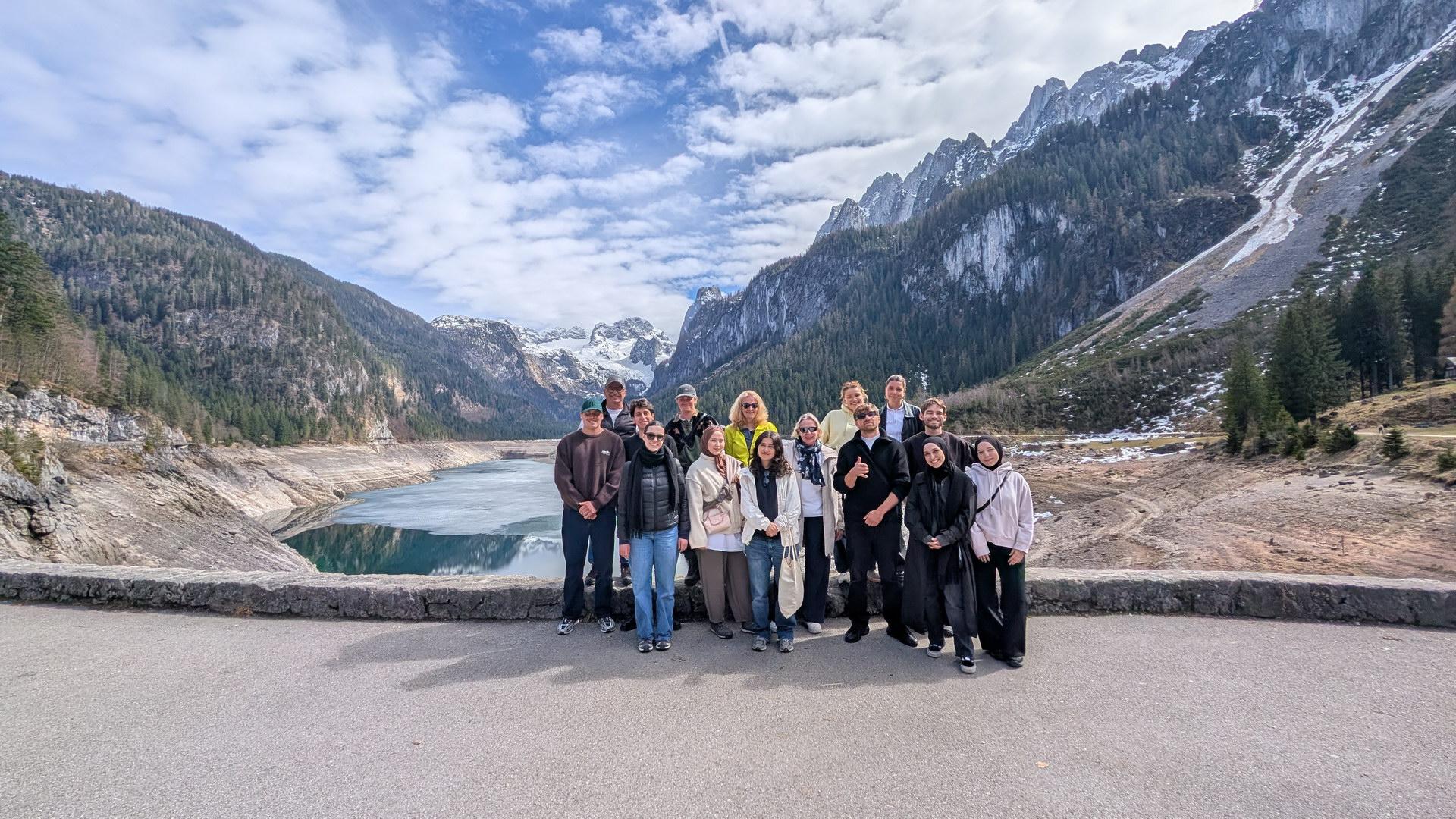
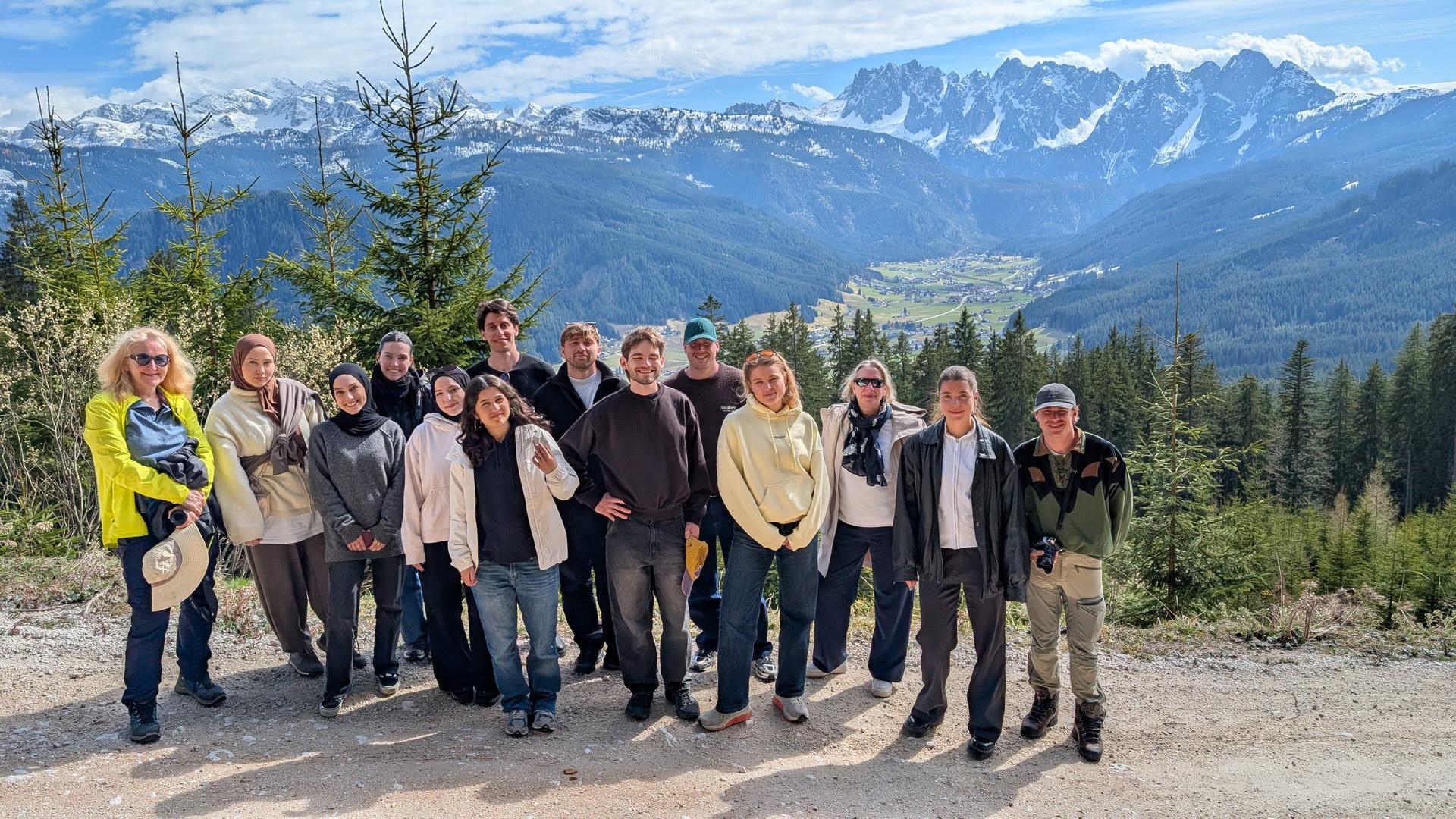
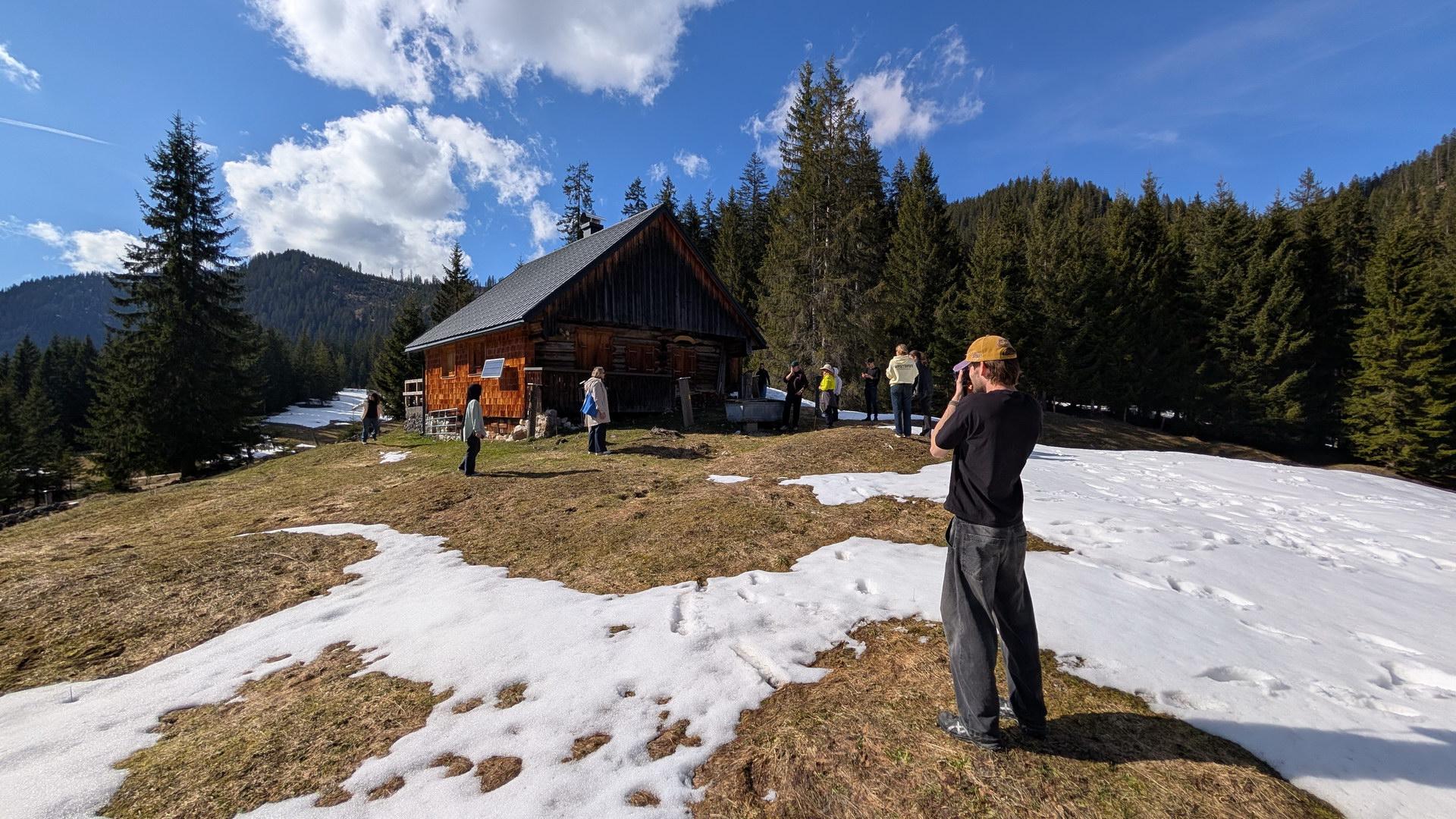
From April 7 to 15, 2026, an international, English-language excursion titled “Cultural Spaces” was held by TU Wien in the UNESCO World Heritage cultural landscape of Hallstatt–Dachstein/Salzkammergut. Around 25 architecture students, along with faculty members from Austria and across Europe—including exchange students from Canada—engaged intensively with the region’s architectural culture and developed forward-looking projects on site.
Students from Vienna learn from the traditional architectural culture of the Salzkammergut
International architecture excursion of TU Vienna in the UNESCO World Heritage region of Salzkammergut
From April 7 to 15, 2026, an international, English-language excursion titled “Cultural Spaces” was held by TU Wien in the UNESCO World Heritage cultural landscape of Hallstatt–Dachstein/Salzkammergut. Around 25 architecture students, along with faculty members from Austria and across Europe—including exchange students from Canada—engaged intensively with the region’s architectural culture and developed forward-looking projects on site.
Architectural culture between nature and use
At the heart of the excursion was an exploration of the evolved cultural landscape, whose unique quality arises from the interplay of natural environment, historical development, and contemporary use. The students analyzed existing structures, reflected on current challenges, and developed ideas that integrate sensitively into the regional context.
Gosau and Hallstatt: Wood as the foundation of the salt industry
A particular focus was placed on the historical development of Gosau, whose rich forest resources played a central role in the salt mining industry of Hallstatt for centuries. Wood was an indispensable raw material—both as a building and construction material and as a source of energy for salt production. This close interconnection between natural resources, economy, and settlement development not only shaped the landscape but also left a lasting imprint on the region’s architectural culture.
Traditional building methods as a model
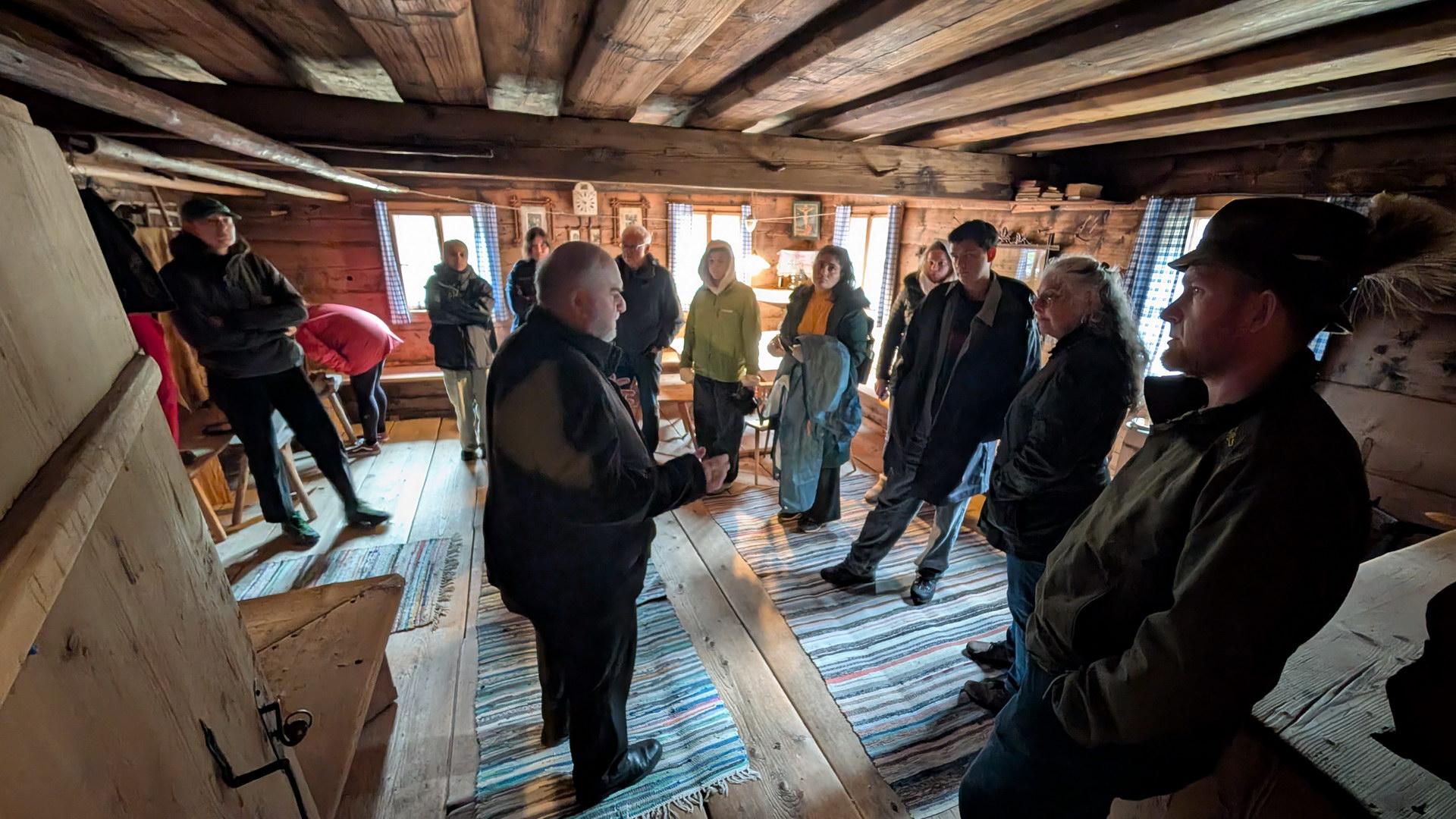
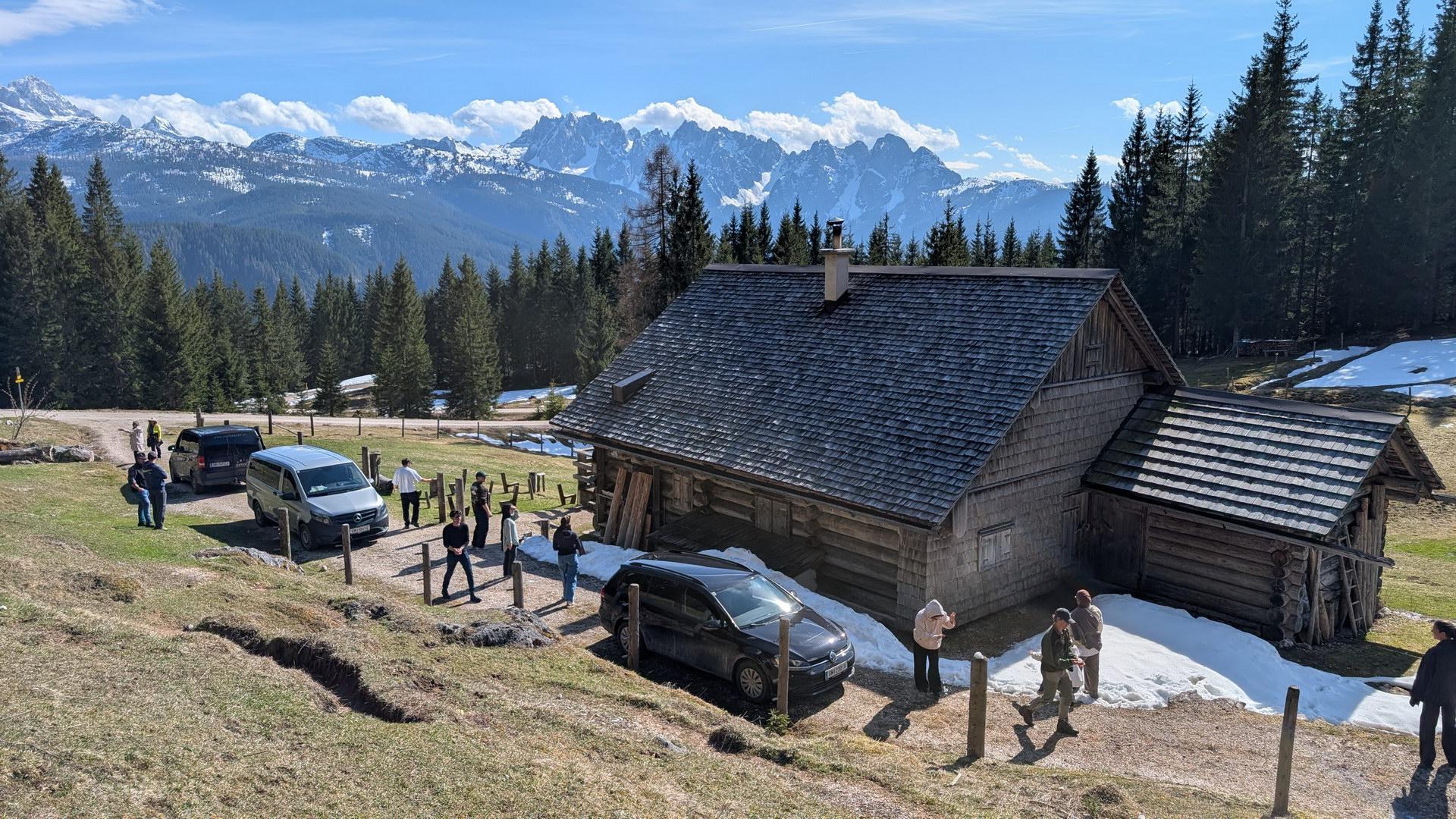
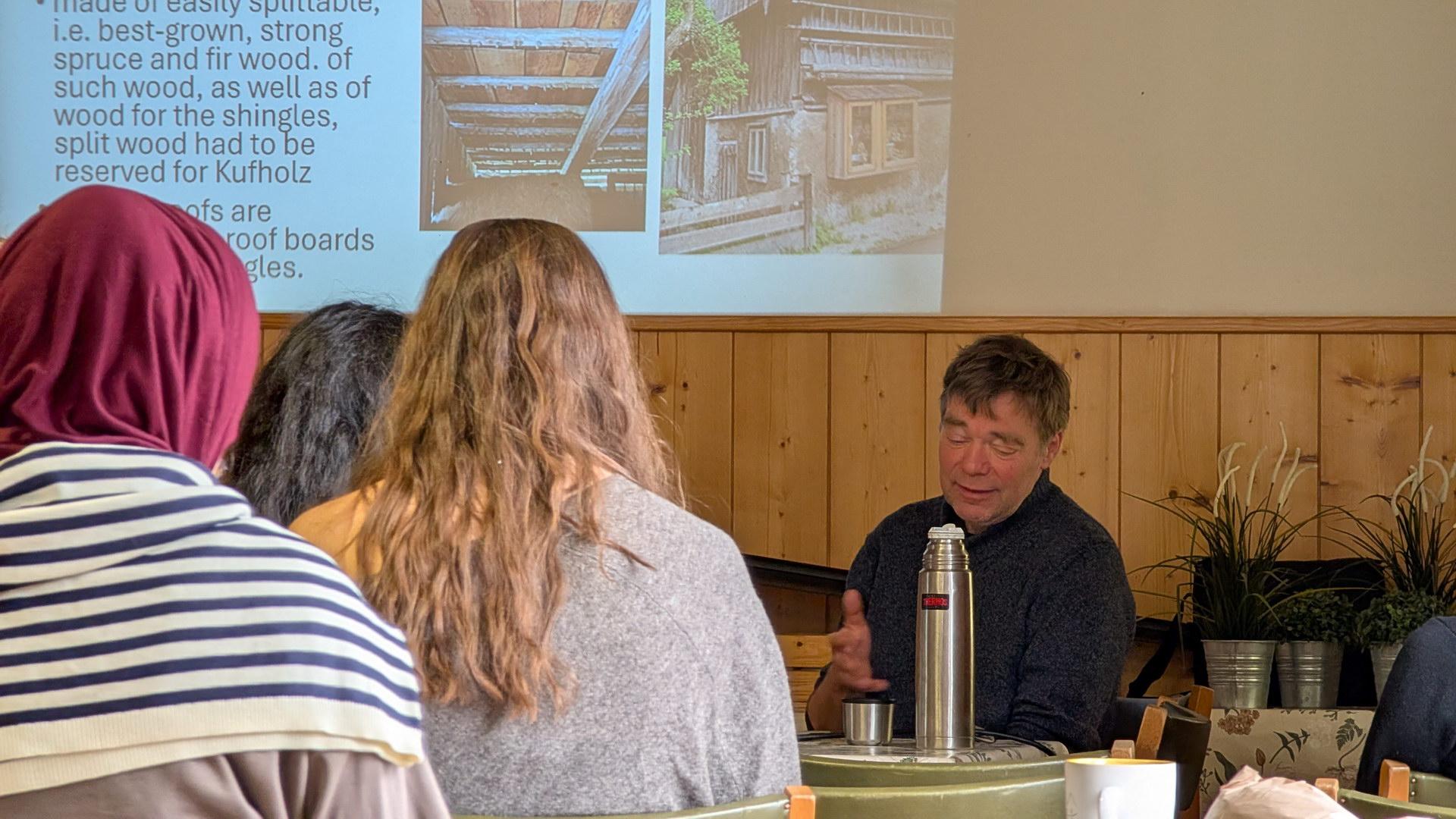
Traditional construction methods in the Gosau Valley evolved from functional requirements: buildings were constructed using locally available materials, adapted to climatic conditions, and designed for maximum efficiency. Compact forms, steep roofs, and robust timber structures reflect a resource-conscious and durable approach to the environment—qualities that remain highly relevant for contemporary architecture.
Exchange with the local community as a key factor
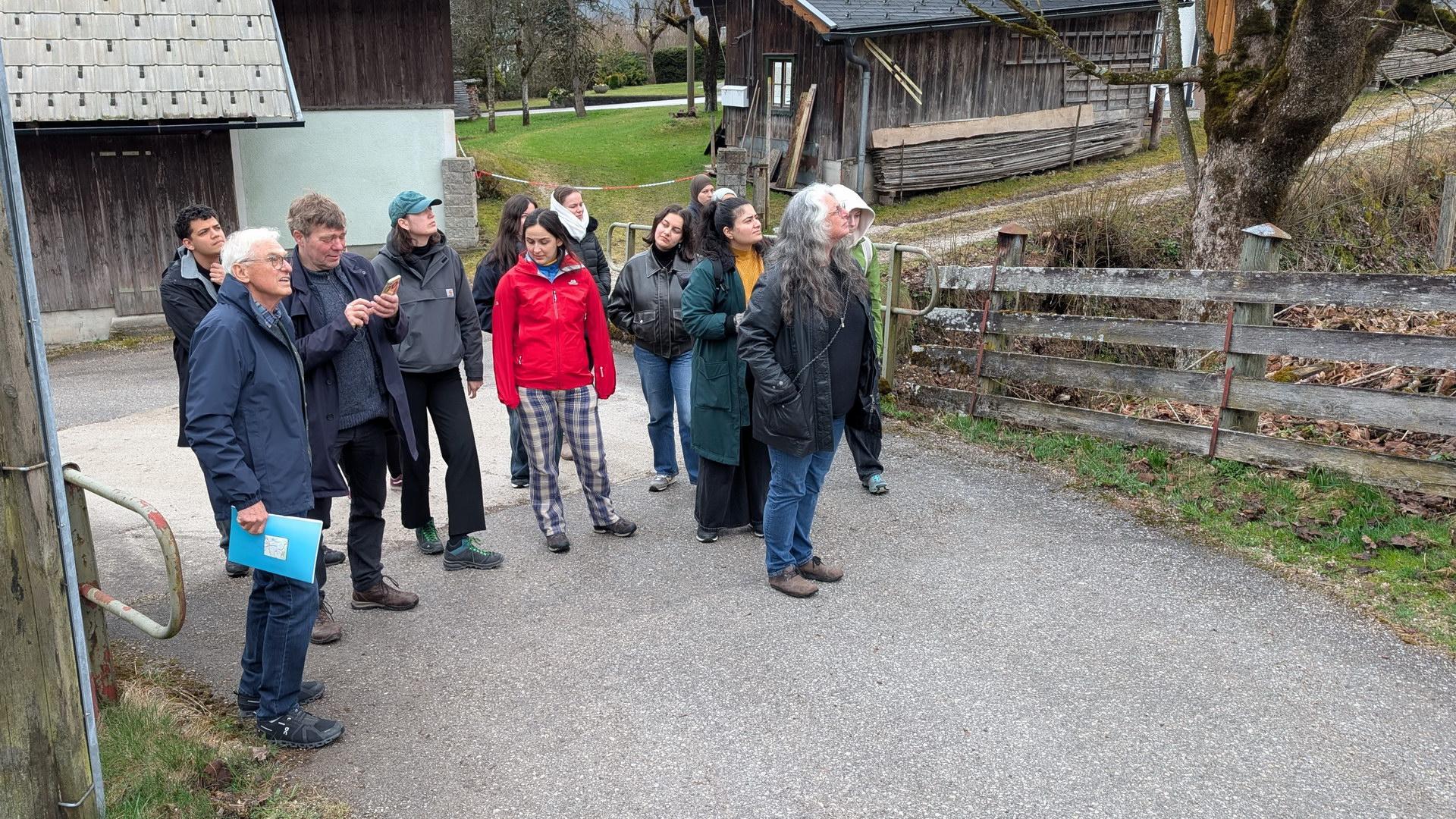
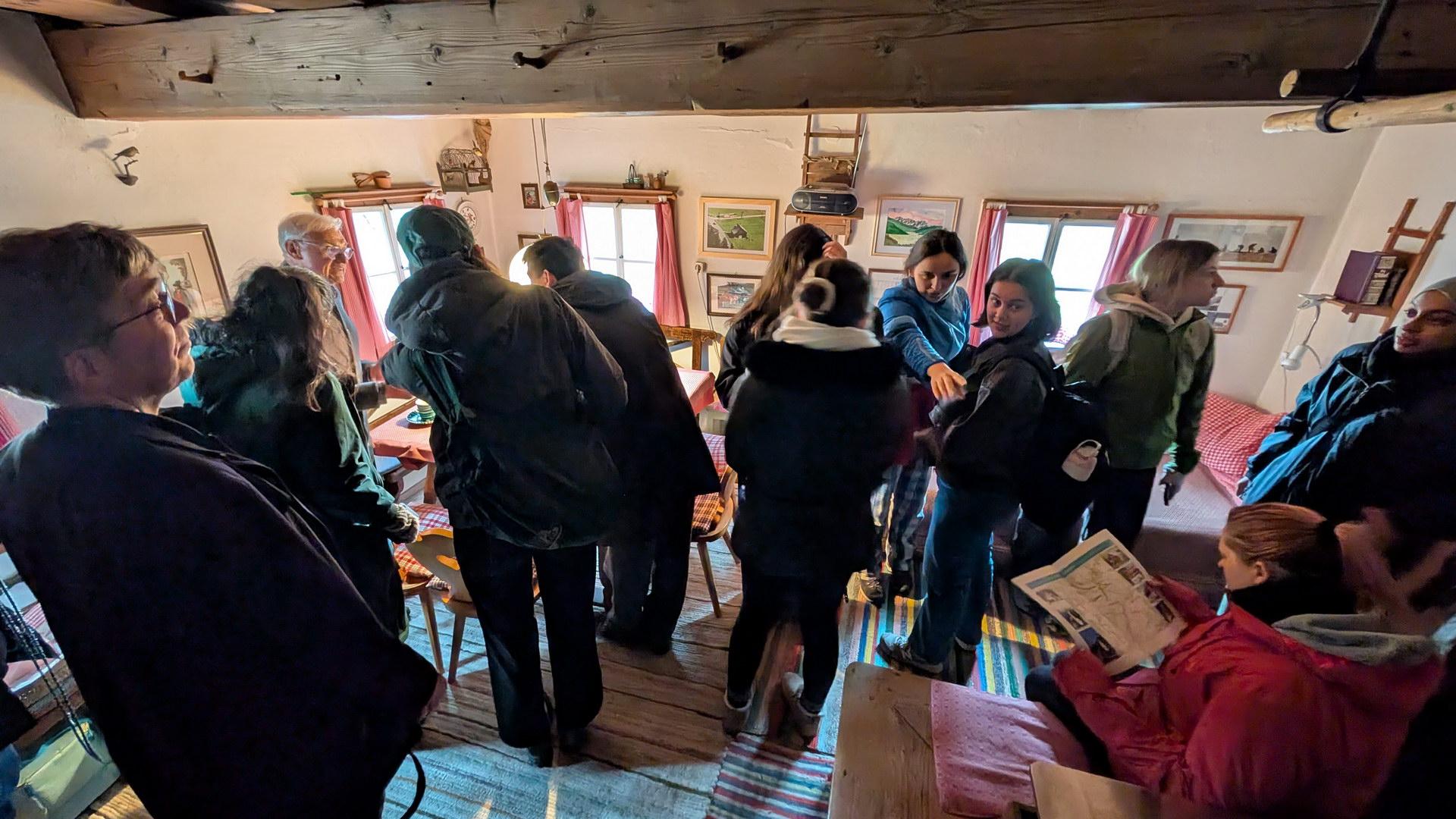
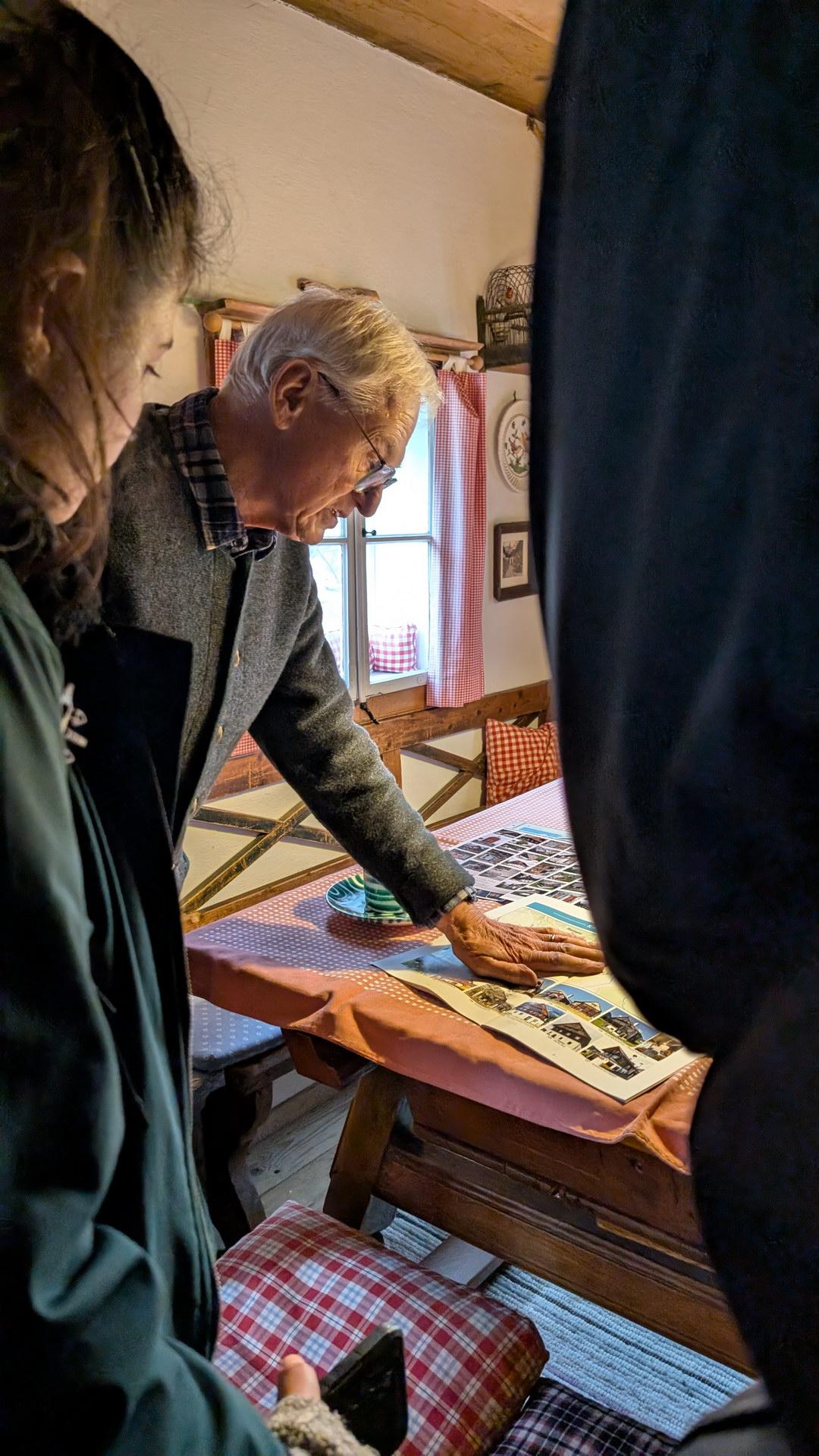
A key component of the work was direct exchange with the local population. Collaboration on site proved to be highly positive: despite intensive working phases, students had numerous opportunities for personal conversations with residents. These encounters provided valuable insights into life in the region and contributed significantly to a deeper understanding of the local architectural culture.
The Salzkammergut as a popular research site
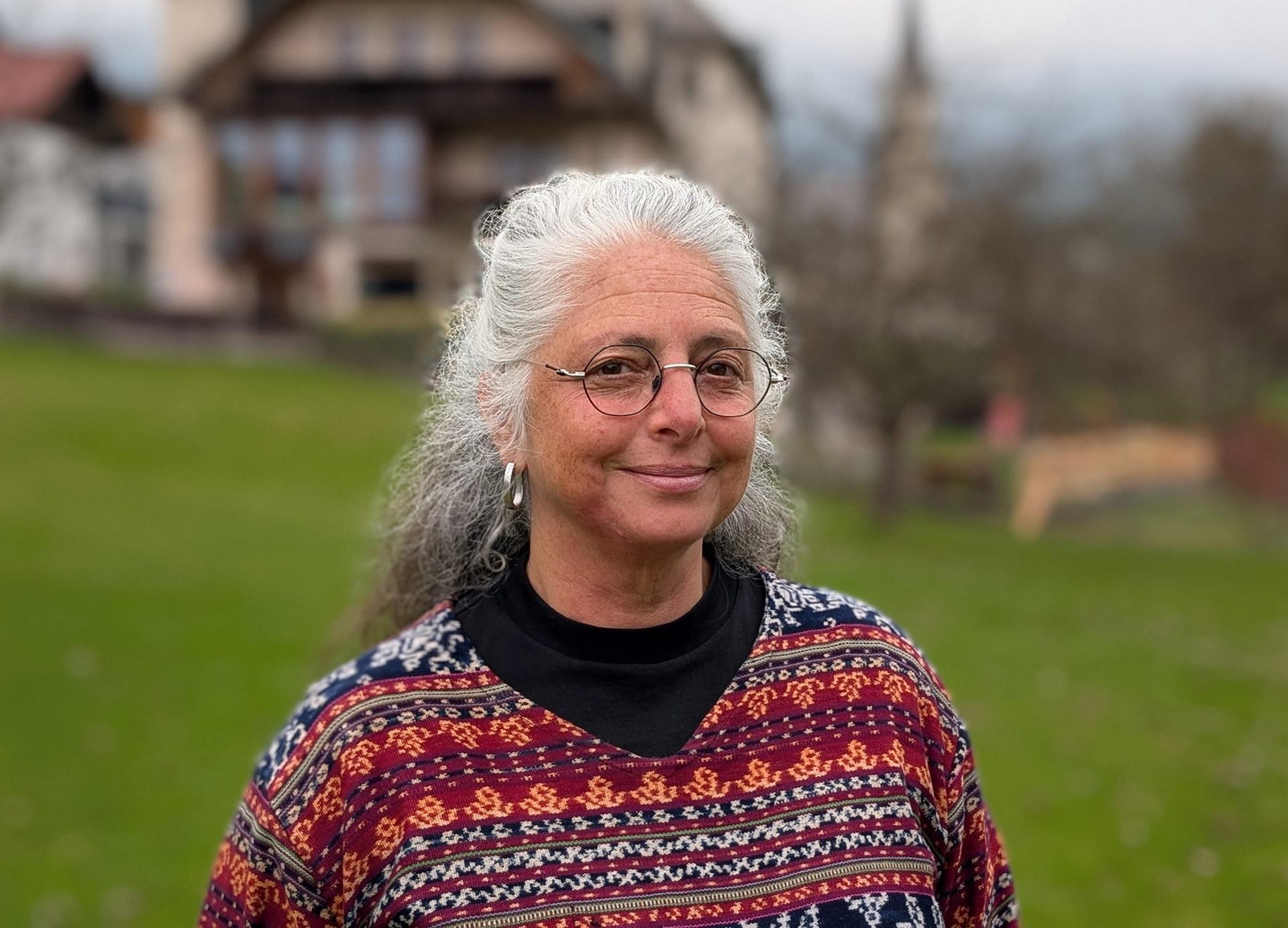
The head of the excursion, Dipl.-Ing. Dr. Ulrike Herbig, reflected with satisfaction after an intensive week in Gosau:
“We have been organizing this excursion to the Salzkammergut for three consecutive years. Within four courses, students are taught over the span of one week how to implement research in architecture. The UNESCO World Heritage region of Hallstatt–Dachstein/Salzkammergut provides the ideal setting for this. Many different layers come together here, from the landscape to individual architectural details. Our cooperation with the World Heritage management is just as fruitful for the students as the exchange with people in the local communities. The results of the seminar work will be compiled in a book and will also be made available in the region (note: at the Cultural Expo 2027). We are happy to return to the Salzkammergut in spring 2027, with a stay in Obertraun already planned.”
Impulses for the future of the World Heritage region
The excursion once again highlighted the importance of dialogue between academia, planning, and the local population for the sustainable development of the World Heritage region. At the same time, it became evident how international perspectives can provide new impulses for dealing with historically evolved cultural landscapes.
Through their work, the students contribute to the ongoing discussion about the future of building in the Salzkammergut—within the dynamic between preservation and further development of a unique cultural landscape.
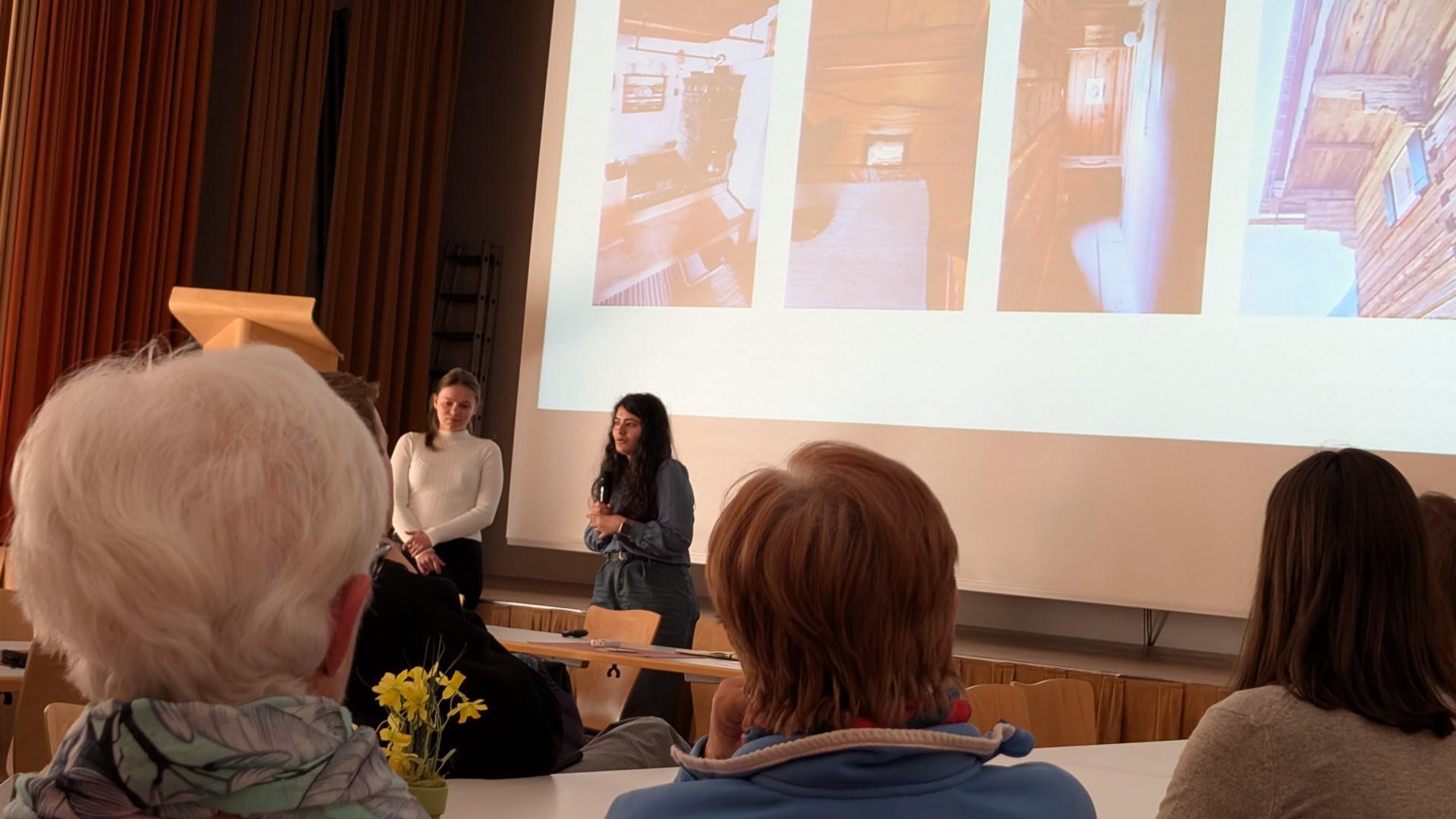
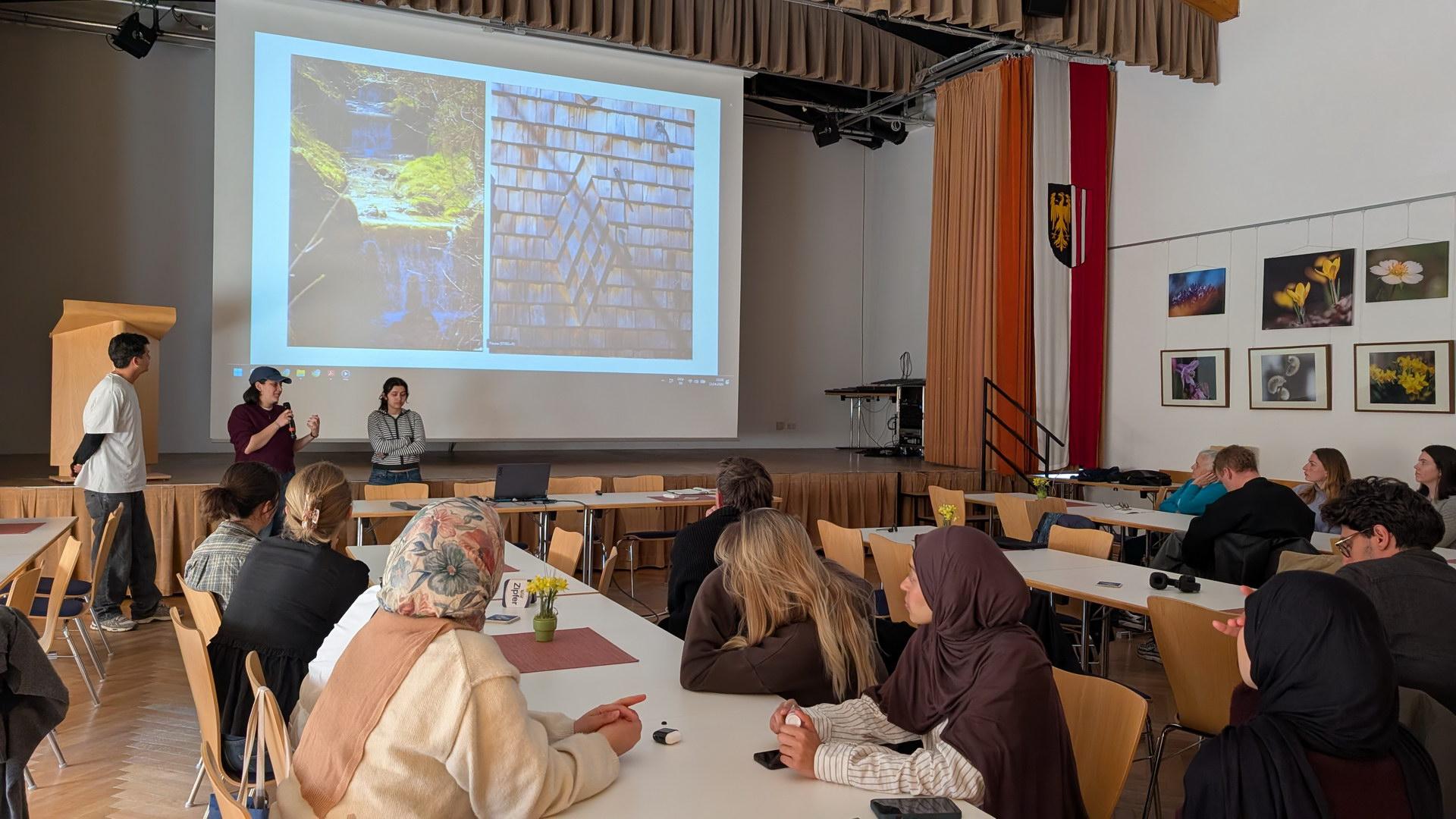
A public presentation at the Kulturzentrum Gosau, kindly made available free of charge by the municipality of Gosau, marked a fitting conclusion to an intensive yet highly educational week.